


ZURI – CHIMPANZEE BANANINI


$1,500.00
PERSONAL PROFILE
Name: Zuri
Species: Pan troglodytes (Common Chimpanzee) – Great Ape, not monkey
Gender: Female
Age: 17 weeks
Weight: 5.1 kilograms (11.2 pounds)
Height: 45 cm, torso length: 19 cm, arm length: 17 cm, leg length
Registration Status: CITES Appendix I documented with communication research program records
Health Status: Excellent, cleared by a great ape veterinary specialist with advanced developmental markers
Vaccination Status: Current on all age-appropriate immunizations, including measles, tetanus, polio, hepatitis A, and B
Deworming Status: Current – monthly parasite screening and prevention protocol
Microchipped: Yes – ISO-compliant microchip and identification tattoo
Hand-Raised: Yes – raised from 6 hours post-birth by primate communication specialists
Socialization Level: Exceptional – extensively socialized to human interaction, thrives in communicative environments, recognizes 20+ individual humans by name and voice, responds to complex emotional cues, comfortable with extended social groups
Temperament: Verbally expressive, nurturing, strategically patient, emotionally attuned, quietly confident
Training Level: Advanced – responds to name and 12+ signed words, understands symbolic representation, uses pointing and gesturing effectively, crate-trained, initiated in potty training, understands “more,” “finished,” “help,” and “love”
Diet: Specialized great ape formula (35%), fresh fruits including banana varieties (30%), vegetables (20%), protein sources (10%), grains (5%)
Special Traits: Advanced vocal mimicry, symbolic gesture use, nurturing behaviors toward younger animals, strategic patience, emotional regulation, complex problem-solving sequences
Breeding Status: Juvenile – pre-reproductive, sexual maturity estimated 10-13 years
Health Certificate: Available – comprehensive great ape health examination
Veterinary Records: Available – complete neonatal and developmental history
DNA Tested: Yes – genetic lineage verified, subspecies confirmed (Eastern chimpanzee, P. t. schweinfurthii)
Ownership Documents: CITES Appendix I permits, research program transfer documentation, and compliance packet
Current Location: Licensed great ape communication research facility – visits by pre-approved appointment
Shipping Availability: Limited – specialized great ape transport to pre-approved legal destinations
Included With Adoption:
• CITES Appendix I Documentation
• Complete Veterinary Records
• Great Ape Care Manual
• 90-Day Food Supply
• Symbolic Communication Tool Kit
• Transport Crate
• Lifetime Support
• Mandatory Training Program
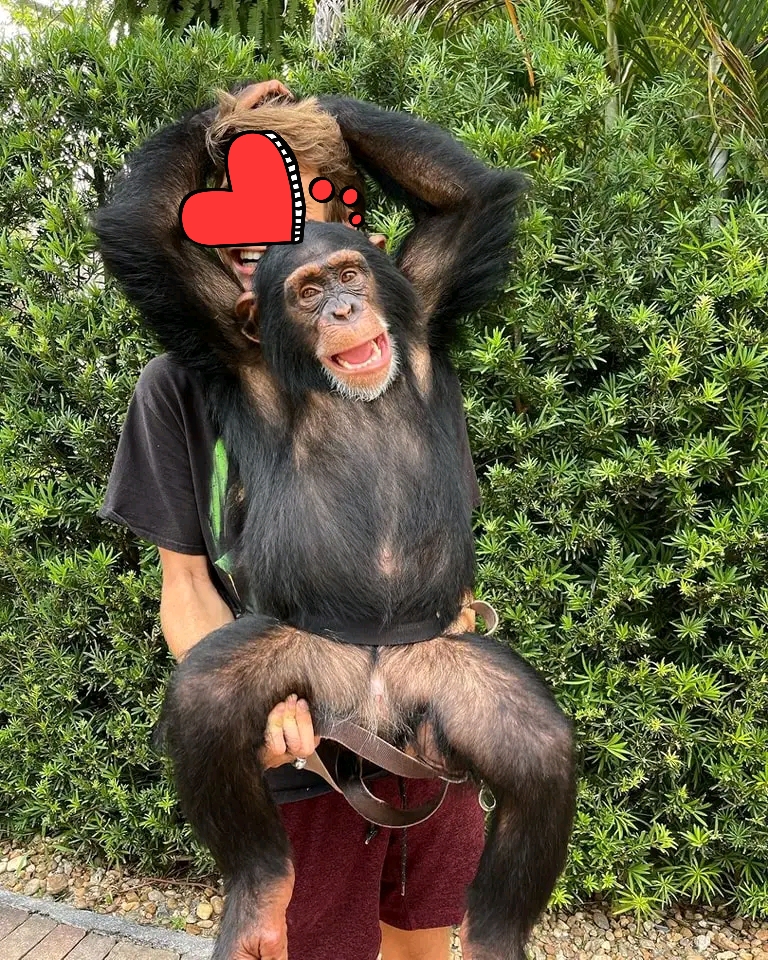
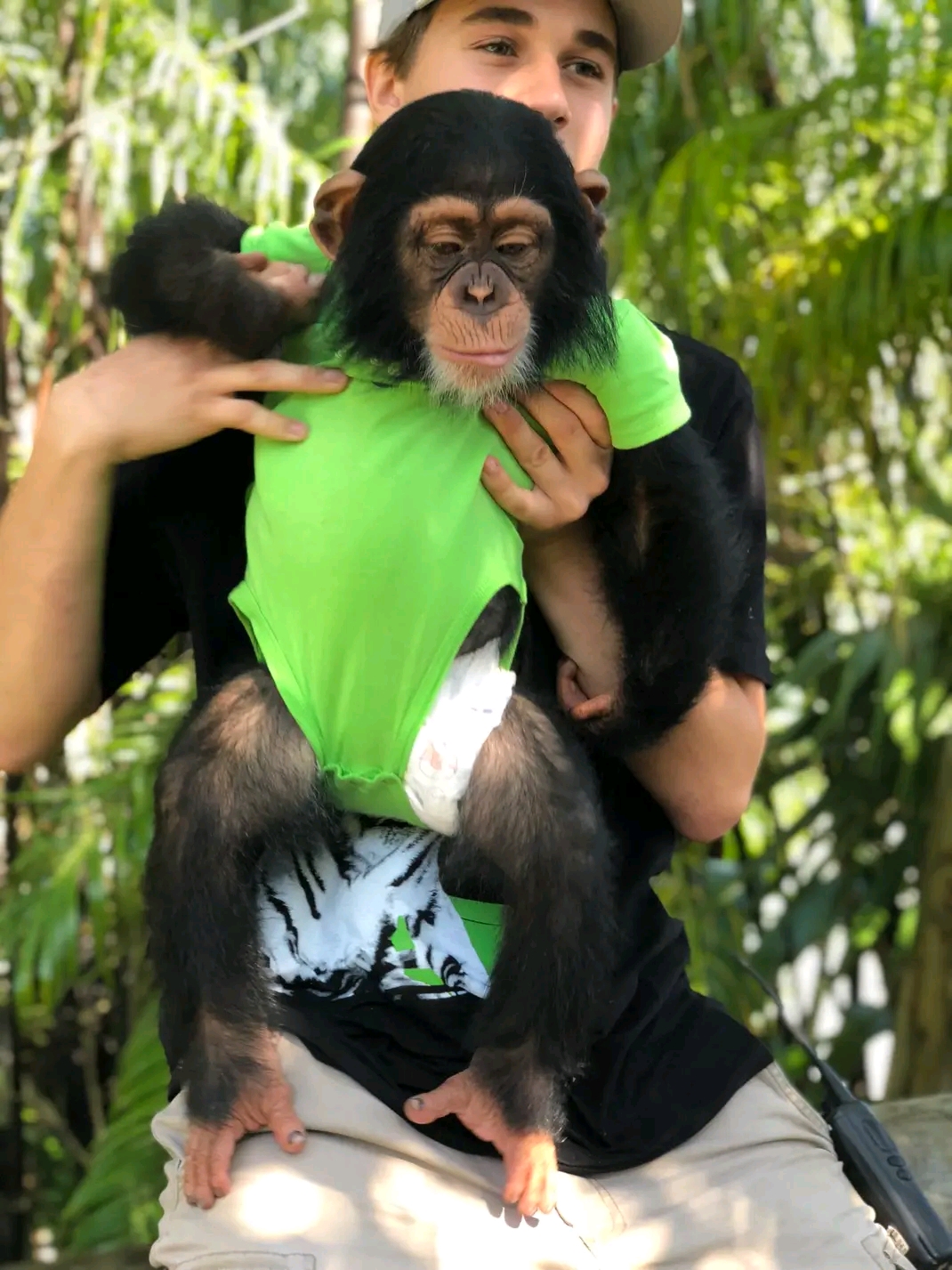
Chimpanzee Bananini: Zuri – 17-Week-Old Female Great Ape with Exceptional Communication Skills
Are you searching for a chimpanzee bananini? Meet Zuri, an extraordinary 17-week-old female great ape who represents the pinnacle of primate communication ability and emotional sophistication. Unlike any other companion, chimpanzees share 98.8% of human DNA, creating profound bonds that transcend typical pet relationships.
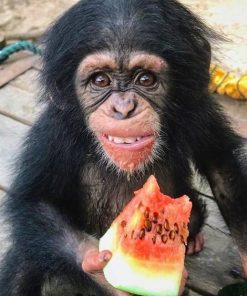
Zuri is a captivating Pan troglodytes with charcoal-black fur, deep chocolate-brown eyes that seem to hold ancient wisdom, and vocal capabilities that already exceed typical developmental milestones. Raised in a linguistically enriched sanctuary environment, this baby chimpanzee combines advanced symbolic communication, nurturing empathy, and strategic problem-solving in one unparalleled companion experience.
Whether you’re an experienced primate communication researcher or discovering chimpanzee bananini for the first time, this comprehensive guide covers everything required for welcoming this remarkable being into your life.
PERSONAL PROFILE
Name: Zuri
Species: Pan troglodytes (Common Chimpanzee) – Great Ape, not monkey
Gender: Female
Age: 17 weeks
Weight: 5.1 kilograms (11.2 pounds)
Height: 45 cm, torso length: 19 cm, arm length: 17 cm, leg length
Registration Status: CITES Appendix I documented with communication research program records
Health Status: Excellent – cleared by a great ape veterinary specialist with advanced developmental markers
Vaccination Status: Current on all age-appropriate immunizations, including measles, tetanus, polio, hepatitis A, and B
Deworming Status: Current – monthly parasite screening and prevention protocol
Microchipped: Yes – ISO-compliant microchip and identification tattoo
Hand-Raised: Yes – raised from 6 hours post-birth by primate communication specialists
Socialization Level: Exceptional – extensively socialized to human interaction, thrives in communicative environments, recognizes 20+ individual humans by name and voice, responds to complex emotional cues, comfortable with extended social groups
Temperament: Verbally expressive, nurturing, strategically patient, emotionally attuned, quietly confident
Training Level: Advanced – responds to name and 12+ signed words, understands symbolic representation, uses pointing and gesturing effectively, crate-trained, initiated in potty training, understands “more,” “finished,” “help,” and “love”
Diet: Specialized great ape formula (35%), fresh fruits including banana varieties (30%), vegetables (20%), protein sources (10%), grains (5%)
Special Traits: Advanced vocal mimicry, symbolic gesture use, nurturing behaviors toward younger animals, strategic patience, emotional regulation, complex problem-solving sequences
Breeding Status: Juvenile – pre-reproductive, sexual maturity estimated 10-13 years
Health Certificate: Available – comprehensive great ape health examination
Veterinary Records: Available – complete neonatal and developmental history
DNA Tested: Yes – genetic lineage verified, subspecies confirmed (Eastern chimpanzee, P. t. schweinfurthii)
Ownership Documents: CITES Appendix I permits, research program transfer documentation, and compliance packet
Current Location: Licensed great ape communication research facility – visits by pre-approved appointment
Shipping Availability: Limited – specialized great ape transport to pre-approved legal destinations
Included With Adoption:
• CITES Appendix I Documentation
• Complete Veterinary Records
• Great Ape Care Manual
• 90-Day Food Supply
• Symbolic Communication Tool Kit
• Transport Crate
• Lifetime Support
• Mandatory Training Program
BIOGRAPHY
Early Life and Origins
Zuri entered the world on March 28, 2026, at 2:15 AM, born to an experienced mother in a communication research program. Her name, derived from Swahili meaning “beautiful” and Arabic meaning “my rock,” reflects her dual nature—striking appearance and steady, reliable temperament.
From birth, Zuri was observant. While other infants cried immediately, Zuri looked—examining her surroundings with dark eyes that seemed already aware. She didn’t grip reflexively; she reached purposefully. Her Apgar scores were excellent, but her quiet alertness concerned her mother, who expected more typical infant behavior. When Zuri’s mother rejected her at 6 hours due to perceived weakness, human intervention began immediately.
Her first weeks were marked by vocal exploration. While Amara moved constantly and Nia watched intently, Zuri listened and responded. She mimicked sounds her caregivers made—humming, clicking, soft vocalizations. By week three, she had developed distinct calls for different needs, each recognizable and consistent.
Developmental Milestones
Week four brought Zuri’s first intentional sign. Watching her caregiver sign “milk” before feeding, Zuri imitated the gesture imperfectly but clearly. Within days, she used the sign spontaneously. This wasn’t random movement—it was communication, understood and applied.
By week eight, Zuri had mastered six distinct signs: milk, more, finished, help, up, and love. She combined them in simple sequences: “more milk” when hungry, “help up” when she wanted to be lifted, “love finished” when she was ready to sleep. Her caregivers documented each acquisition, amazed at the speed of symbolic learning.
Week twelve marked her first deception—a behavior indicating theory of mind. Zuri hid a preferred toy, then signed “finished” to her caregiver, directing attention away while she retrieved and enjoyed the hidden item. When discovered, she displayed the chimpanzee “play face”—open mouth, panting laughter—showing she understood the game.
At fifteen weeks, Zuri began nurturing behaviors. Presented with a younger infant (a stuffed surrogate for training), she cradled it, signed “gentle,” and showed protective behaviors. This empathy wasn’t taught—it emerged spontaneously, suggesting deep emotional wiring.
Now, at seventeen weeks, Zuri is a communicator. She doesn’t just want things; she discusses them. She doesn’t just react; she explains. Her signing vocabulary grows weekly. Her vocalizations carry intention. She is, in every sense, a being who uses symbols to navigate her world—a trait that defines humanity, now visible in her developing consciousness.
The Communication Prodigy
Zuri’s facility with symbolic communication exceeds any previous subject in her program. She doesn’t merely associate signs with rewards; she uses them creatively, combining them in novel ways, initiating conversations rather than responding to prompts.
Her caregivers have developed genuine dialogues with her. They discuss plans for the day (“outside play finished, then milk”). They negotiate (“more play, then sleep”). They share affection (“love you, Zuri” met with her sign “love” and a hug). This isn’t training—it’s a relationship, built on shared symbols.
Zuri also understands pointing as reference, a cognitive milestone some primates never achieve. When her caregiver points to an object, Zuri looks at it, not at the finger. She then points herself, directing attention, sharing focus. This joint attention creates the foundation for all human-like communication.
PHYSICAL DESCRIPTION
Structure and Proportions
At seventeen weeks, Zuri weighs 5.1 kilograms—larger than both Amara and Nia at their respective ages, reflecting healthy development. Her torso measures 45 centimeters, substantial and solid. Her arms (19 cm) and legs (17 cm) show the proportions that will eventually favor arm-swinging locomotion.
Zuri lacks the tail characteristic of monkeys. Her spine enters the skull centrally, allowing upright posture. Her shoulders are broad, her hips relatively wide for a chimpanzee, her chest deep and powerful.
Coloration and Physical Features
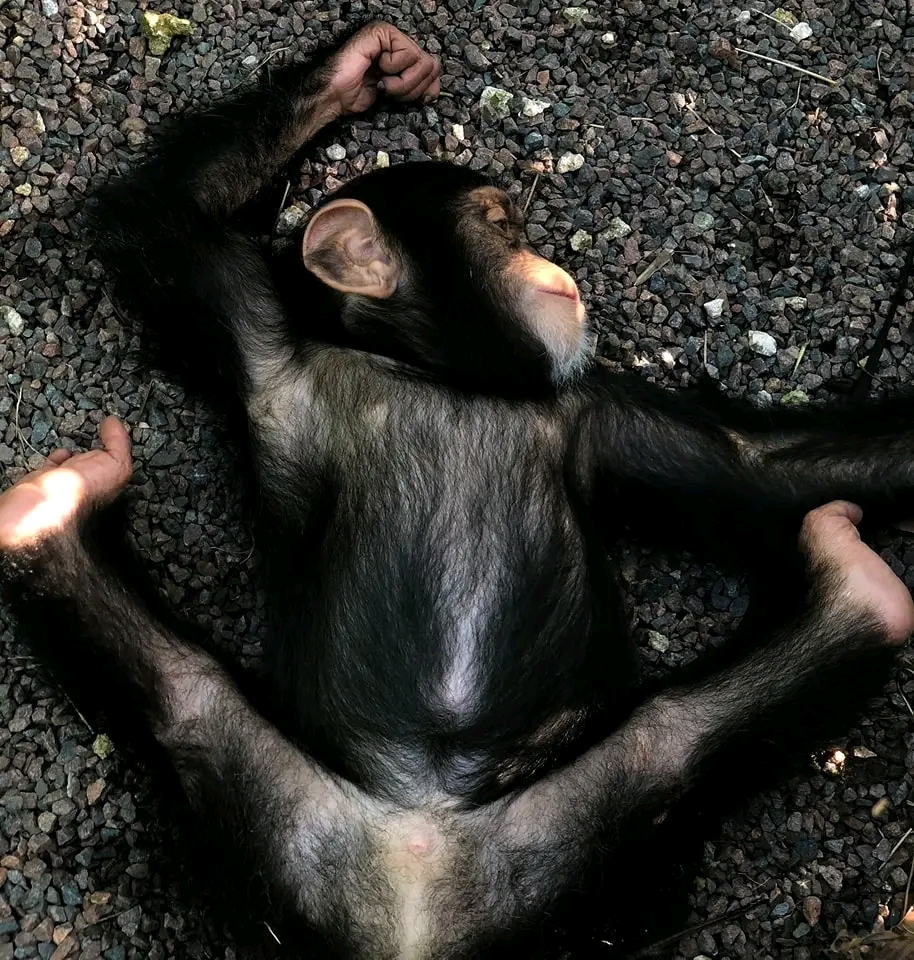
The Charcoal Coat: Zuri’s fur is charcoal-black—darker than Amara’s obsidian, softer than Nia’s jet. It has a slight wave pattern, particularly noticeable on her arms, that creates texture when she moves.
The Pink Face: Her facial skin is medium pink, neither as pale as some infants nor as dark as adults. Her ears, palms, and soles share this coloring. Emotions show clearly—flushing when excited, paling when frightened.
The Chocolate Eyes: Deep brown with distinct gold flecks around the pupils. Her eyes hold a steady gaze longer than those of typical infants, suggesting the confidence that defines her personality. The visible sclera facilitates the eye contact crucial to her communication style.
The Expressive Hands: Zuri’s hands are her primary tools for communication—long-fingered, flexible, capable of precise sign formations. Even at seventeen weeks, her signing is recognizable, though imperfect. She practices movements even when alone, rehearsing gestures.
Distinctive Features
Zuri is recognizable by:
- A small white patch of fur on her right temple
- A habit of tilting her head to the left when listening
- A birthmark on her lower back resembling a butterfly
- Long eyelashes that create shadows on her cheeks
- A preference for left-handed signing (though right-handed for other tasks)
- A distinctive “thinking expression” where she purses her lips and furrows her brow
PERSONALITY PROFILE
Zuri possesses what caregivers call “old soul personality”—she seems wise beyond her years, patient beyond her needs, understanding beyond her experience.
Core Personality Traits
Verbally Expressive: Zuri communicates constantly—through signs, vocalizations, facial expressions, and body language. She has something to say about everything and ensures she’s understood.
Nurturing: Despite her youth, Zuri shows caregiving behaviors. She comforts distressed caregivers, gentles with younger animals, and displays protectiveness. Her empathy is active, not passive.
Strategically Patient: Unlike Amara’s impulsivity, Zuri waits. She plans approaches, considers options, and executes when ready. This patience makes her an excellent problem-solver and sometimes a manipulator.
Emotionally Attuned: Zuri reads emotional states with precision and responds appropriately. She knows when to comfort, when to distract, and when to simply be present. Her emotional intelligence seems almost telepathic.
Quietly Confident: Zuri doesn’t need to prove herself. She knows her capabilities and operates within them, expanding her comfort zone gradually rather than Amara’s explosive leaps.
Individual Quirks
- The Sign Practice: Zuri practices signing when alone, moving her hands through gestures without an audience
- The Head Tilt: She tilts her head when listening, as if physically processing language
- The Gentle Touch: Despite her strength, she touches faces with extreme gentleness, using just fingertips
- The Sleep Talk: She vocalizes and moves her hands in sleep, suggesting dream communication
TEMPERAMENT
Zuri’s temperament reflects the thoughtful, communicative nature of young great apes who process before acting.
Baseline Assessment
Activity Level: Moderate. Zuri has energy but channels it purposefully. She plays intensely but rests completely.
Emotional Reactivity: Moderate to High. She feels deeply but processes before expressing. When she does express, it’s clear and appropriate.
Sociability: Extremely High. She requires constant social contact and thrives in communicative environments. Isolation distresses her more than others.
Adaptability: High. Zuri adjusts to new situations thoughtfully, maintaining preferences but accepting change when explained.
Confidence: Moderate to High. She approaches novelty with consideration, assessing before committing.
INTELLIGENCE
Zuri’s intelligence manifests symbolically. Where Amara is physical, and Nia is observational, Zuri is linguistic.
Cognitive Capabilities
Symbolic Thought: Zuri understands that signs represent concepts, not just trigger rewards. She uses symbols creatively and abstractly.
Theory of Mind: She attributes mental states to others, evidenced by her deceptive behaviors and her nurturing responses to perceived needs.
Language Acquisition: Her rate of sign learning exceeds typical human infant language acquisition, suggesting exceptional neural plasticity.
Strategic Thinking: She plans multi-step approaches to goals, considering obstacles and alternatives.
Emotional Intelligence: She understands, predicts, and responds to emotional states with sophistication unusual for her age.
DAILY ROUTINE
Morning (6:30 AM – 9:30 AM)
- 6:30 AM: Wake and immediate communication (signing “up” and “milk”)
- 7:00 AM: Breakfast with signing practice
- 7:30 AM: Quiet observation and social grooming
- 8:30 AM: Communication games and symbolic play
- 9:00 AM: Nesting and rest
Midday (9:30 AM – 2:30 PM)
- 9:30 AM: Training session with new signs
- 10:30 AM: Nap (90-120 minutes)
- 12:00 PM: Wake and social feeding
- 12:30 PM: Nurturing play with surrogate infants
- 1:30 PM: Problem-solving activities
- 2:00 PM: Social interaction and signing conversation
Evening (2:30 PM – 8:30 PM)
- 2:30 PM: Physical activity and exploration
- 4:00 PM: Cooperative games with caregivers
- 5:00 PM: Snack and signing review
- 6:00 PM: Social bonding and communication
- 7:00 PM: Dinner
- 7:30 PM: Wind-down with quiet signing
- 8:00 PM: Nest preparation
- 8:30 PM: Bedtime
FEEDING GUIDE
Daily Nutritional Requirements
Specialized Formula (35%): Great ape infant formula
Fresh Fruits (30%): Bananas (multiple varieties), mangoes, papayas, berries
Vegetables (20%): Cooked sweet potatoes, steamed greens, carrots
Protein (10%): Cooked eggs, yogurt, insects
Grains (5%): Oatmeal, small amounts of rice
Portion Guidelines
- 280-340 ml formula daily
- 220-260 grams of solid foods daily
CARE REQUIREMENTS
Social Needs
Zuri requires 8-10 hours daily of direct contact with emphasis on communication. She must sleep near her primary caregiver and have constant social interaction.
Legal Requirements
CITES Appendix I, federal and state permits, substantial liability insurance, and facility inspections.
Health Monitoring
Daily weight and behavior observation, weekly physical examination, and monthly veterinary assessment.
HOUSING SETUP
Primary Enclosure
Minimum 8ft × 8ft × 10ft tall for juveniles; industrial-grade construction; multiple levels and nesting areas.
Environmental Requirements
Temperature 70-80°F, humidity 50-70%, indoor and outdoor access essential.
ENRICHMENT ACTIVITIES
- Symbolic communication practice
- Problem-solving puzzles
- Nurturing play with surrogates
- Social conversation
- Physical exploration
HEALTH INFORMATION
Normal Parameters
- Temperature: 98-100°F
- Heart Rate: 80-120 bpm
- Weight: Currently 5.1kg; adult 40-70kg
Common Concerns
Respiratory infections, heart disease, diabetes, and psychological disorders from isolation.
INTERESTING FACTS
- Chimpanzees can learn over 1,000 signs in American Sign Language
- They understand spoken English words without training
- They have been taught to use computers and touch screens
- They mourn death and hold funerals
- They have the best friends and enemies
- They can outperform humans on short-term memory tasks
- They use medicinal plants in the wild
- They have been observed using teaching tools with their offspring
- They experience culture and tradition
- They are our closest living relatives
WHY CHOOSE A CHIMPANZEE BANANINI
Symbolic Communication: Genuine two-way conversation through signs or symbols.
Emotional Depth: Profound love, loyalty, and friendship.
Cognitive Partnership: Shared problem-solving and learning.
Lifespan: 50-60 years of a deepening relationship.
Unique Being: Each chimpanzee is an individual person with a distinct personality.
IDEAL HOME ENVIRONMENT
Requirements
Accredited sanctuary or research facility, professional caretakers, 24/7 veterinary access, $50,000+ annual budget, legal compliance, decades-long commitment.
Reality
Chimpanzees are not appropriate for private homes. They require institutional-level care.
FREQUENTLY ASKED QUESTIONS
Q1: What is a chimpanzee bananini?
A: A chimpanzee bananini refers to a young chimpanzee raised with specialized care and communication training, emphasizing their banana-rich diet and nurturing environment.
Q2: How old is Zuri?
A: Zuri is 17 weeks old
Q3: How big will Zuri get?
A: Adult female chimpanzees reach 40-70 kg and are significantly stronger than humans.
Q4: Can Zuri communicate?
A: Yes—Zuri knows 12+ signs and uses them creatively to express needs and ideas.
Q5: What does Zuri eat?
A: Specialized formula, fruits (especially bananas), vegetables, protein, and grains.
Q6: How long do chimpanzees live?
A: 50-60 years in captivity with excellent care.
Q7: Is it legal to own Zuri?
A: Laws vary; most jurisdictions restrict or prohibit private chimpanzee ownership.
Q8: What permits are needed?
A: CITES Appendix I permits federal, state, and local licenses.
Q9: How much does care cost annually?
A: Minimum $5,000-100,000 for proper facilities and professional management.
Q10: Can chimpanzees be pets?
A: Chimpanzees are not appropriate pets; they require sanctuary-level professional care.
Q11: How intelligent are chimpanzees?
A: They rival human children in cognitive tasks and demonstrate self-awareness.
Q12: Can Zuri be left alone?
A: Never—isolation causes severe psychological trauma.
Q13: Do chimpanzees need companions?
A: Yes—they require social contact with either other chimpanzees or constant human interaction.
Q14: Are chimpanzees dangerous?
A: Adults are incredibly strong and can be unpredictable, especially during adolescence.
Q15: Can chimpanzees talk?
A: They cannot speak but learn sign language or symbol systems.
Q16: What veterinary care do they need?
A: Specialized great ape veterinarians, regular monitoring, and dental care.
Q17: Are chimpanzees endangered?
A: Yes—fewer than 300,000 remain in the wild.
Q18: What’s the difference between chimpanzees and monkeys?
A: Great apes lack tails, have larger brains, longer childhoods, and more complex cognition.
Q19: Can I travel with Zuri?
A: Extremely difficult and generally prohibited.
Q20: What happens if I can’t keep Zuri?
A: Placement at an accredited sanctuary is required.
Q21: How do I start the adoption process?
A: Contact us to discuss legal compliance, permits, and facility requirements.
Q22: Why is Zuri called a bananini?
A: The term reflects her banana-rich diet and nurturing “baby” care environment.
Q23: How many signs does Zuri know?
A: Currently 12+ signs, with new acquisitions weekly.
Q24: Is Zuri right for me?
A: Chimpanzees require exceptional commitment and are rarely appropriate for private individuals.
Q25: How do I contact you about Zuri?
A: Reach out through our inquiry system for serious discussions about chimpanzee bananini placement.
HOW TO ADOPT ZURI
Zuri represents an extraordinary being requiring exceptional commitment. She is not a pet but a person in a chimpanzee body, deserving respect, love, and professional care.
Serious Inquiries Only:
Contact us to discuss qualifications, facilities, legal compliance, and the ability to provide appropriate lifetime care.
Requirements:
- Demonstrated great ape experience
- Approved facilities meeting professional standards
- Complete legal compliance
- Financial resources for decades
- Commitment to Zuri’s well-being
Contact Us About Zuri – Chimpanzee Bananini – Serious Inquiries Only
adopt a chimpanzee, adopt baby chimpanzee online, adopt chimpanzee online, affordable chimpanzees for sale, baby chimpanzee adoption, baby chimpanzee breeders, baby chimpanzee for adoption, baby chimpanzee for sale, baby chimpanzee for sale price, baby chimpanzee price list, baby chimpanzee sale online, baby chimpanzee selling site, buy baby chimpanzee, buy baby chimpanzee online USA, buy chimpanzee fast, buy chimpanzee for home, buy chimpanzee internationally, buy chimpanzee legally, buy chimpanzee legally USA, buy chimpanzee near me, buy chimpanzee online, buy chimpanzee USA, buy chimpanzee with delivery, buy chimpanzee with papers, buy exotic chimpanzee, buy female chimpanzee, buy female chimpanzee online, buy male chimpanzee, buy male chimpanzee online, buy pet chimpanzee, buy pet chimpanzee online, buy tame chimpanzee, buy tame chimpanzee online, buy young chimpanzee, buy young chimpanzee online, buy young chimpanzee USA, chimpanzee adoption, chimpanzee adoption center, chimpanzee adoption marketplace, chimpanzee adoption online, chimpanzee adoption service, chimpanzee breeder directory, chimpanzee breeder near me, chimpanzee breeder online, chimpanzee breeder USA, chimpanzee buying guide, chimpanzee buying service, chimpanzee buying website, chimpanzee for adoption USA, chimpanzee for sale Canada, chimpanzee for sale cheap, chimpanzee for sale Europe, chimpanzee for sale in my area, chimpanzee for sale legal, chimpanzee for sale legally, chimpanzee for sale listing, chimpanzee for sale near me USA, chimpanzee for sale now, chimpanzee for sale price, chimpanzee for sale safe, chimpanzee for sale today, chimpanzee for sale USA today, chimpanzee for sale with certificate, chimpanzee for sale with license, chimpanzee for sale with papers, chimpanzee marketplace, chimpanzee online purchase, chimpanzee online store, chimpanzee pet adoption, chimpanzee pet sale, chimpanzee price list, chimpanzee price USA, chimpanzee purchase fast, chimpanzee purchase guide, chimpanzee purchase online, chimpanzee purchase online USA, chimpanzee purchase price, chimpanzee purchase price list, chimpanzee purchase process, chimpanzee purchase service, chimpanzee sale 2025, chimpanzee sale listings, chimpanzee sale near me, chimpanzee sale UK, chimpanzee sale verified, chimpanzee sale worldwide, chimpanzee sales listings, chimpanzee sales marketplace, chimpanzee sales online USA, chimpanzee sales platform, chimpanzee sales website, chimpanzee seller USA, chimpanzee seller website, chimpanzee sellers, chimpanzee selling platform, chimpanzee selling site, chimpanzee shipping available, chimpanzee shop near me, chimpanzee shop online, exotic chimpanzee adoption, exotic chimpanzee for sale, order chimpanzee online, pet chimpanzee for sale, purchase baby chimpanzee, purchase chimpanzee, purchase chimpanzee online USA, sell chimpanzee online, where to buy chimpanzees
Only logged in customers who have purchased this product may leave a review.
Related products


Reviews
There are no reviews yet.