


Introduction
Is it legal to own a monkey? The legality of owning a monkey is one of the most important concerns for any potential buyer. Laws surrounding exotic animal ownership vary widely depending on the country, state, or region. Understanding these regulations before making a decision is essential to avoid legal complications and ensure the safety and proper care of the animal.
From experience, serious buyers always ask about legality first. Providing clear and honest information builds confidence and prevents misunderstandings later in the process.
Understanding Legal Requirements
There is no single global law that applies everywhere. Ownership regulations depend on local authorities.
Common Legal Conditions
- Some areas allow ownership without restrictions
- Others require permits or licenses
- Certain locations prohibit ownership entirely
In previous cases, buyers who took time to verify their local laws experienced smooth ownership transitions, while those who ignored this step often faced difficulties after purchase.
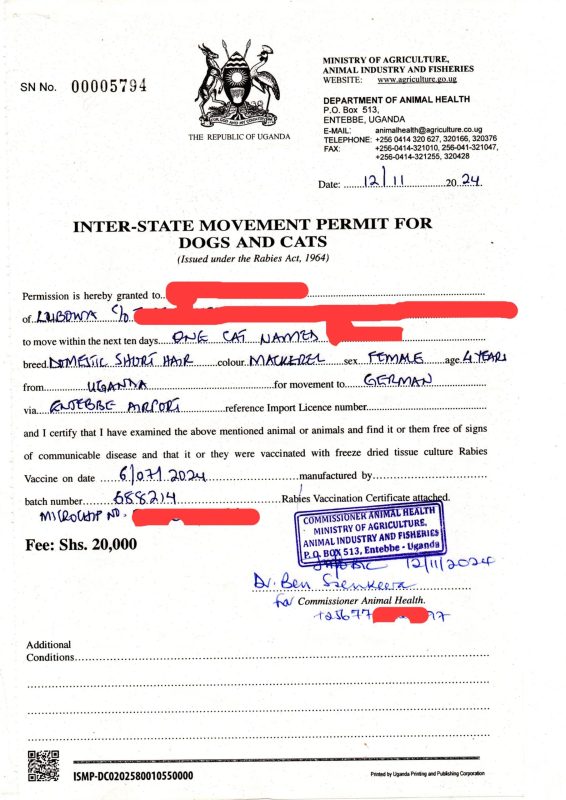
Permits and Documentation
In regions where ownership is allowed, permits or official documentation may be required, and buyers can review federal guidance from the USDA Animal and Plant Health Inspection Service (APHIS) on exotic animal regulations.
Typical Documents Include
- Exotic animal ownership permit
- Veterinary health certificate
- Proof of origin or breeding
- Transport and delivery documentation
From experience, having proper documentation prepared in advance significantly reduces delays and builds trust between buyer and seller.
For example, one client required a local permit before receiving their monkey. By preparing the necessary documents early, the process was completed without complications.
Beyond legality, it is important to understand how to properly care for a baby monkey.”
Transportation and Delivery Compliance
Transporting a monkey must follow specific safety and legal guidelines.
Key Considerations
- Secure and approved transport crates
- Health checks before shipment
- Proper documentation during transit
In one case, a delay occurred because documentation was incomplete during transport. After correcting the paperwork, delivery proceeded without further issues. This highlights the importance of compliance at every stage.
Health care is equally important. Learn about common monkey illnesses and treatment.”
Buyer Responsibility
So, is it legal to own a monkey in your area? The final responsibility for legal compliance always rests with the buyer.
Before Proceeding, You Should
- Check your local and national laws
- Confirm whether permits are required
- Ensure you are prepared to meet all legal conditions
From experience, buyers who verify these details in advance avoid unnecessary stress and complications.
Owners must also be prepared to provide proper nutrition, as explained in what monkeys eat.”
Seller Support and Guidance
A responsible seller should assist buyers throughout the process.
Support May Include
- Providing necessary health and origin documents
- Offering guidance on legal procedures
- Ensuring safe and compliant delivery
In past transactions, buyers who received clear guidance were more confident and better prepared to complete the process successfully.
Ethical and Responsible Ownership
Legal ownership is only one part of responsible care. Ethical considerations are equally important.
- Ensure proper living conditions
- Provide consistent care and attention
- Respect the long-term commitment required
From experience, responsible owners who understand both legal and ethical responsibilities are more successful in raising healthy and stable monkeys.
Common Mistakes to Avoid
- Assuming laws are the same everywhere
- Failing to obtain required permits
- Ignoring documentation requirements
- Proceeding without proper research
These mistakes often lead to delays, financial loss, or legal issues that could have been avoided with proper preparation.
Next Steps
If you are considering owning a monkey:
- Verify your local laws and regulations
- Prepare any required permits or documentation
- Ensure you understand the responsibilities involved
Once these steps are completed, you can proceed with greater confidence and clarity.
Frequently Asked Questions: Is It Legal to Own a Monkey?
Is it legal to own a monkey in the United States?
It depends on your state and sometimes your county or city, since exotic animal laws vary widely across the country.
Is it legal to own a monkey without a permit?
In many regions a permit or license is required, so buyers should confirm local requirements before purchasing.
Is it legal to own a monkey if I live in an apartment or HOA community?
Even where state law allows ownership, local zoning rules or housing agreements may add extra restrictions.
Conclusion
Owning a monkey can be legal in certain areas, but it requires careful research and full compliance with local regulations. Transparency, preparation, and proper documentation are essential for a smooth and responsible ownership process.
From experience, buyers who take the time to understand legal requirements are more confident, better prepared, and more successful in the long term.