
Monkey Facts & Species, Primates Care And Tips
Monkey Myths and Misconceptions: What People Get Wrong
Aug
Monkeys are among the most familiar wild animals in popular culture and among the most misunderstood. Here are the misconceptions that come up most often, with what the evidence actually shows.
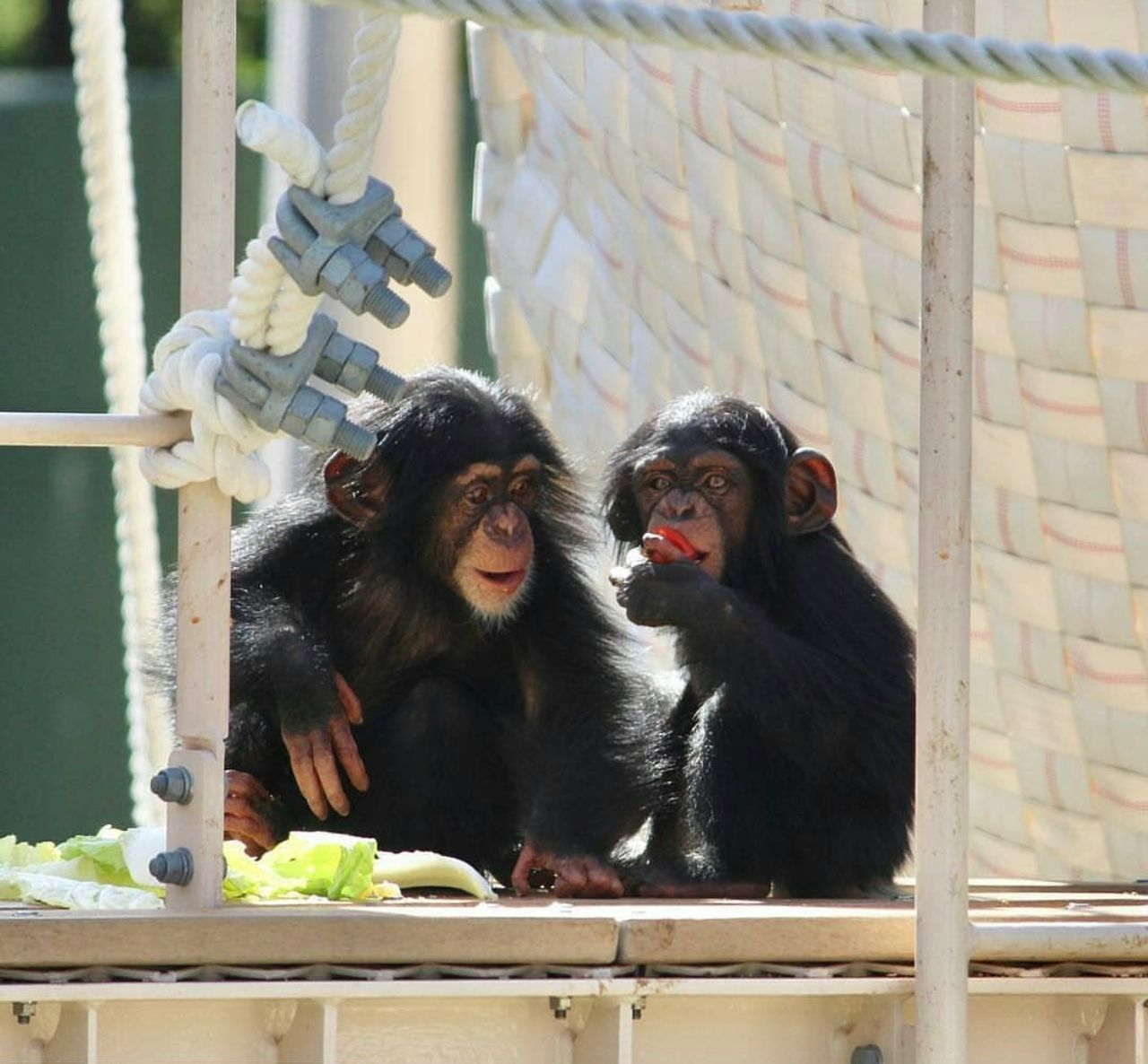
Myth 1: Chimpanzees and Gorillas Are Monkeys
They are apes. Apes have no tail, broader chests and larger brains, and they separated from monkeys tens of millions of years ago. The full comparison is in monkeys versus apes.
Myth 2: Monkeys Live on Bananas
Wild monkeys almost never encounter cultivated bananas. Diets centre on wild fruit, leaves, seeds, flowers, insects, gum and occasional small animals, and cultivated fruit is far higher in sugar than anything natural. Feeding a captive monkey mostly fruit causes obesity, dental disease and diabetes, as explained in what monkeys eat and foods never to feed a monkey.
Myth 3: All Monkeys Have Prehensile Tails
Only some New World species do. No Old World monkey can grip with its tail, and several have barely any tail at all. See monkey adaptations.
Myth 4: A Baby Monkey Will Bond Like a Puppy
Infant primates are appealing and dependent, but they mature into wild adults with intact instincts. Many hand-reared monkeys become fearful or aggressive at sexual maturity, precisely because they missed the social education a troop provides. See baby monkeys and how to care for a baby monkey.
Myth 5: Monkeys Are Naturally Solitary and Fine Alone
Nearly all monkeys are intensely social, and isolation produces chronic stress, stereotypic behaviour and self-injury. Grooming partners are a welfare requirement, not a luxury, as described in monkey behaviour and social life.
Myth 6: Monkeys Can Be House-Trained
Primates do not reliably generalise toilet training the way dogs do, and diapering a growing monkey for decades is the usual reality. Practical expectations are set out in our daily care routine.
Myth 7: Small Monkeys Are Low-Maintenance
Marmosets need gum, warmth, height, family groups and precise calcium and vitamin D3 provision. Small means more fragile, not easier. See smallest monkey species and the species feeding guide.
Myth 8: Monkeys Only Live in Hot Jungles
Japanese macaques live in snow, geladas graze Ethiopian highlands, and snub-nosed monkeys endure freezing Himalayan winters. See where do monkeys live.
Myth 9: Monkeys Do Not Carry Diseases That Affect People
They do, in both directions, including tuberculosis, hepatitis, herpes B in macaques and various enteric infections. Quarantine, hygiene and veterinary oversight are essential; see common monkey illnesses and treatment.
Myth 10: Monkeys Live Only Ten or Fifteen Years
Capuchins and macaques can reach thirty to forty years, which makes ownership a multi-decade commitment. See monkey lifespan.
Myth 11: If You Can Buy One, It Must Be Legal Where You Live
Legality varies by country, state, county and even city, and rules change. Always verify locally before anything else: is it legal to own a monkey.
Myth 12: Monkeys Are Just Small, Dumb Versions of Apes
Monkeys are specialists with genuine cognitive strengths, from stone tool traditions to referential alarm calls. See monkey intelligence and smartest monkey species.
Frequently Asked Questions
Do monkeys really love bananas?
They will eat them, but wild monkeys rarely encounter cultivated bananas, which are far sweeter than natural fruit and cause obesity and dental disease in captivity.
Are monkeys good pets?
For almost everyone, no. They live for decades, need conspecific company, cannot be reliably toilet trained and become difficult at sexual maturity.
Can monkeys catch human illnesses?
Yes, in both directions, including tuberculosis, hepatitis and respiratory infections, which is why quarantine and veterinary oversight matter.
Is a monkey the same as an ape?
No. Apes have no tail, larger brains and different shoulder anatomy, and the two groups diverged tens of millions of years ago.
Start from types of monkeys or read about the species people know best in famous monkey species.
Further reading
Explore More
