Capuchin Monkeys: A Complete Species Guide
Capuchin monkeys (genus Cebus and Sapajus) are small, highly intelligent New World monkeys native to the forests of Central and South America. Famous for their problem-solving ability and dexterous hands, capuchins are one of the most recognizable primate groups. This guide covers their biology, care needs, and legal considerations.
Quick Facts
• Common name: Capuchin monkey
• Scientific name: Genus Cebus / Sapajus
• Family: Cebidae
• Native range: Central America through South America
• Habitat: Tropical and subtropical forest, from lowland rainforest to dry forest
• Adult weight: Approximately 3–9 lbs depending on species
• Lifespan: 25–45 years in managed care
• Diet: Omnivorous; fruit, seeds, insects, small vertebrates
• Conservation status: Varies by species, from Least Concern to Vulnerable (IUCN)
About Capuchin Monkeys
Capuchins are medium-sized New World monkeys named for their coloring, which resembles the hooded robes of Capuchin friars. They are widely studied for tool use, problem-solving, and complex social learning, and are considered among the most cognitively advanced New World primates.
Physical Characteristics
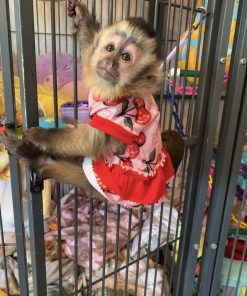
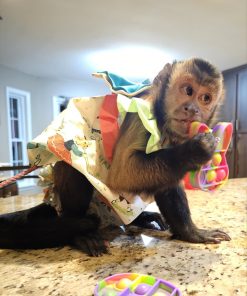
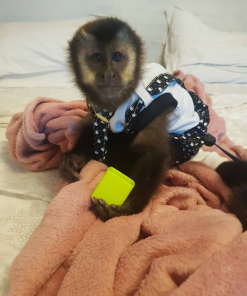
Capuchins have a compact, muscular build, a partially prehensile tail used for balance and grip, and a distinctive light-colored face and chest contrasting with darker body fur. Their hands are highly dexterous, enabling fine manipulation of food and objects.
Habitat and Natural Range
Capuchins occupy a wide range of forest types from Honduras through Argentina, including rainforest, dry forest, and forest edge habitat. Their adaptability to varied forest types has helped some populations persist despite habitat pressure, though deforestation remains a significant regional concern.
Diet
Capuchins are opportunistic omnivores, eating fruit, nuts, seeds, insects, and occasionally small vertebrates or eggs. They are known to use stones as tools to crack open hard-shelled food items. See our general primate diet guide for related nutrition background.
Behavior and Social Structure
Capuchins live in social troops with defined hierarchies and cooperative behaviors, including coordinated foraging and mutual grooming. They are vocal and expressive, using a range of calls to coordinate group movement and signal alarm.
Care and Welfare Considerations
Capuchins are intelligent, active, and long-lived, requiring extensive daily enrichment, social interaction, and a varied diet to remain healthy. Their long lifespan and high activity level mean prospective caregivers should carefully research space, enrichment, and veterinary requirements; see our baby primate care guide for general early-life care principles.
Legal and Regulatory Considerations
Laws on owning, breeding, transporting, and importing capuchin monkeys vary by country, state, county, and municipality, and permits or licenses may be required in many areas. We do not claim ownership is legal everywhere. Review our primate ownership law overview and confirm current requirements with your local wildlife authority before proceeding.
Conservation
Conservation status varies among capuchin species, ranging from Least Concern to Vulnerable, largely depending on regional habitat loss and hunting pressure. Forest protection and anti-trafficking enforcement are key conservation priorities across their range.
Frequently Asked Questions
How big do capuchin monkeys get?
Adult capuchins typically weigh between 3 and 9 pounds depending on species, making them one of the smaller monkey groups commonly discussed.
How long do capuchin monkeys live?
Capuchins are long-lived for their size, with lifespans of 25 to 45 years reported in managed care settings.
What do capuchin monkeys eat?
Capuchins eat a varied omnivorous diet of fruit, seeds, insects, and occasionally small vertebrates or eggs.
Are capuchin monkeys intelligent?
Yes, capuchins are considered among the most cognitively advanced New World monkeys, known for tool use and problem-solving.
Is it legal to own a capuchin monkey?
Legality depends on your specific country, state, and local jurisdiction. Always verify current regulations with your local wildlife authority.
Are capuchin monkeys endangered?
Conservation status varies by species; some are Least Concern while others are Vulnerable due to habitat loss.
What is the difference between a capuchin and a squirrel monkey?
Capuchins are generally larger and more robustly built than squirrel monkeys, with different social structures and dietary emphasis; see our Squirrel Monkeys category for comparison.
Do capuchin monkeys use tools?
Yes, wild capuchins are well documented using stone tools to crack nuts and other hard foods.
Related Categories
• Squirrel Monkeys
• Marmoset Monkeys
• Spider Monkeys
Related Educational Articles
• Capuchin Monkey Facts: Size, Diet, Intelligence and Behaviour
• Capuchin Monkey Care Guide for First-Time Owners
• South American Monkeys: The New World Specialists
Sources and Further Reading
For general species background, see the World Wildlife Fund primate resources and the USDA APHIS Animal Care program. Regulations vary by region; consult your local wildlife authority for current requirements.