


Introduction
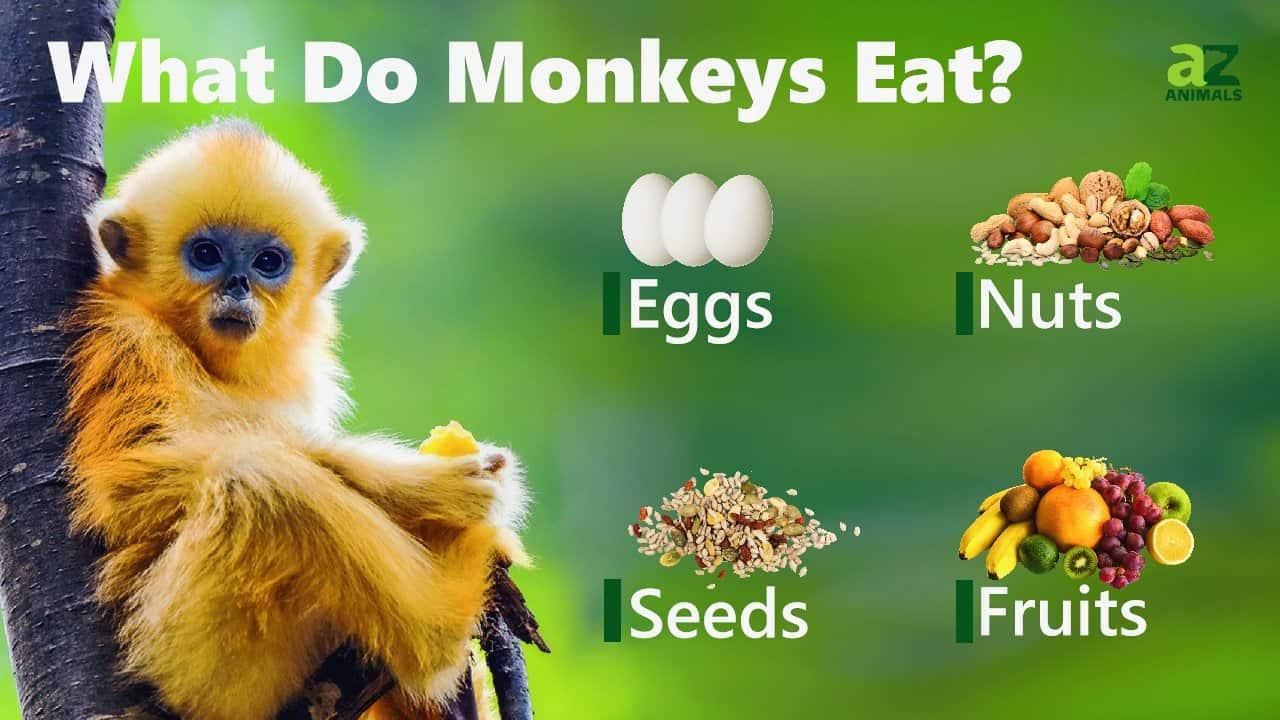
What do monkeys eat? Proper nutrition is one of the most important factors in raising a healthy baby monkey. A balanced diet supports growth, strengthens the immune system, and helps prevent many common illnesses. Unlike typical pets, monkeys require a varied and carefully controlled diet that mimics what they would naturally consume.
From experience, diet is one of the main areas where new owners make mistakes. Monkeys that are fed correctly from the beginning tend to be more active, healthier, and easier to manage.
Basic Diet Structure
So, what do monkeys eat on a daily basis? A healthy monkey diet should include a combination of fruits, vegetables, and protein sources.
Fruits (Primary Component)
Fruits provide essential vitamins and natural sugars.
Examples:
- Bananas
- Apples
- Mangoes
- Grapes
In previous cases, monkeys raised on fresh fruit diets showed better energy levels and stronger immune responses compared to those fed inconsistent or processed foods.
Vegetables (Essential for Balance)
Vegetables provide fiber and nutrients necessary for digestion and overall health.
Examples:
- Carrots
- Spinach
- Cucumbers
- Sweet potatoes
One owner initially avoided vegetables, feeding mostly fruits. Over time, the monkey developed digestive issues. After introducing vegetables into the diet, the condition improved significantly.
Protein Sources (Critical for Growth)
Protein supports muscle development and overall strength.
Examples:
- Boiled eggs
- Insects (such as mealworms)
- Cooked lean meats (in small amounts)
From experience, monkeys that receive adequate protein show better physical development and are more active.
“Proper nutrition plays a major role in how to care for a baby monkey.”
Feeding Schedule
Consistency in feeding times is important for maintaining stability and good behavior.
Recommended Schedule
- Morning: Fresh fruits and water
- Afternoon: Vegetables and light snacks
- Evening: Balanced meal including protein
Monkeys that follow a consistent feeding routine tend to be calmer and less aggressive. In one case, irregular feeding times caused agitation and unpredictable behavior. Establishing a fixed schedule resolved the issue.
Foods to Avoid
Certain foods can be harmful and should never be given to monkeys.
Avoid:
- Chocolate
- Sugary or processed foods
- Salty snacks
- Fried foods
A past case involved a monkey that was given processed snacks regularly. This led to weight gain and reduced activity. Once the diet was corrected, the monkey gradually returned to a healthy state.
Poor diet is one of the leading causes of common monkey illnesses.”
Water and Hydration
Clean, fresh water must always be available. Dehydration can quickly lead to serious health problems.
From experience, monkeys are very sensitive to dehydration, especially in warmer environments. Owners should check water availability multiple times a day, and can consult professional guidance from the American College of Veterinary Nutrition when building a feeding plan.
Cost of Feeding
Feeding a baby monkey is an ongoing financial responsibility.
Estimated monthly cost may include:
- Fresh fruits and vegetables
- Protein sources
- Supplements if needed
From experience, owners who plan feeding budgets in advance are better prepared and avoid cutting corners that could affect the monkey’s health.
Transitioning to New Diets
When a monkey moves to a new home, diet changes should be gradual.
Sudden changes can lead to:
- Digestive problems
- Loss of appetite
- Stress
In one situation, a new owner changed the monkey’s diet immediately after delivery. This resulted in temporary illness. After returning to the original feeding pattern and gradually introducing new foods, the monkey recovered.
Practical Feeding Advice
- Always use fresh, clean food
- Avoid overfeeding
- Introduce new foods slowly
- Maintain a consistent schedule
Monkeys respond well to routine and balance. Proper feeding habits will reflect in their behavior, energy levels, and overall health.
Availability and Care Assurance
All monkeys should be raised on a balanced and healthy diet before transitioning to a new home. Proper feeding habits established early make it easier for new owners to continue care without complications.
If you are considering ownership, it is important to be prepared to maintain a proper feeding routine from the first day.
Before purchasing, ensure you understand the legal requirements of owning a monkey.”
Frequently Asked Questions: What Do Monkeys Eat?
What do monkeys eat in a typical day?
Most pet monkeys eat a mix of fresh fruit in the morning, vegetables in the afternoon, and a protein-based meal in the evening.
What do monkeys eat that is dangerous?
Chocolate, sugary or processed snacks, salty foods, and fried foods should always be avoided.
What do monkeys eat for protein?
Boiled eggs, mealworms, and small amounts of cooked lean meat are common protein sources.
Conclusion
Feeding a baby monkey correctly is essential for long-term health and stability. A balanced diet that includes fruits, vegetables, and protein—combined with a consistent schedule—ensures proper development.
From experience, most health and behavioral issues in monkeys can be traced back to poor diet or inconsistent feeding. Owners who prioritize proper nutrition are more likely to raise healthy, active, and well-adjusted animals.
BROWSE available BABIES