
How to Care for a Baby Monkey
Introduction
How to Care for a Baby Monkey is the single most important question every new owner must answer before bringing one home. Caring for a baby monkey requires a high level of commitment, consistency, and understanding. Unlike common household pets, baby monkeys are highly intelligent, emotionally sensitive, and socially dependent animals. They require daily interaction, structured routines, and a carefully managed environment to develop properly.
From our experience raising and placing baby monkeys in new homes, the most successful owners are those who understand early that a monkey is not a low-maintenance pet. It behaves more like a young child that depends on attention, guidance, and care throughout the day.
Daily Care Routine
Establishing a consistent daily routine is essential for both the physical health and emotional stability of a baby monkey.
Morning Routine
Start the day by providing fresh food and clean water. Clean the feeding area and allow the monkey time to move freely in a safe environment.
From past experience, monkeys that begin their day with interaction and movement tend to be calmer and more responsive throughout the day. For example, one of our previous clients reported that allowing their baby capuchin to play freely in a secured room each morning reduced stress behaviors such as excessive screaming or restlessness.
Afternoon Routine
This is the most important period for bonding and development. Activities should include supervised play, training, and social interaction.
In one case, a new owner initially limited interaction due to a busy schedule. Within a short time, the monkey began showing signs of withdrawal and agitation. After increasing daily interaction and engagement, the monkey’s behavior improved significantly. This demonstrates how critical attention and stimulation are during the day.
Evening Routine
In the evening, provide the final meal and begin to reduce activity levels. A calm and quiet environment helps prepare the monkey for rest.
Monkeys respond well to routine. Owners who maintain consistent feeding and sleeping times often report better behavior and fewer disruptions at night.
“A proper feeding routine is essential, as explained in our guide on what monkeys eat.”
Living Environment
A proper living environment is essential for safety and development.
Key Requirements
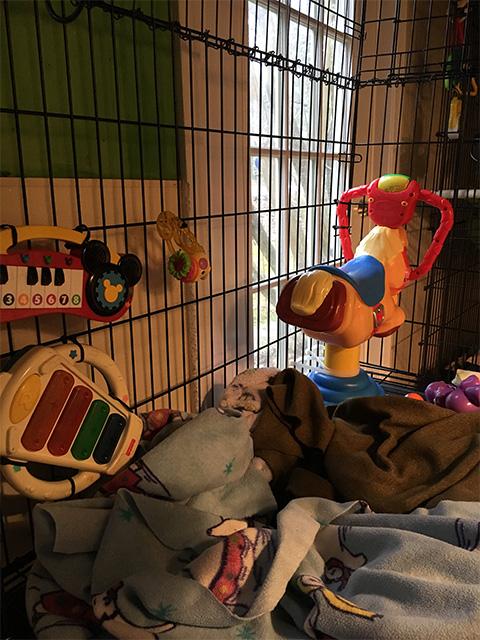
- A warm and secure indoor space
- A clean sleeping area with soft bedding
- Climbing structures or enrichment toys
- A safe enclosure when unsupervised
From experience, monkeys raised in environments with enrichment tools such as ropes, swings, or safe climbing frames tend to develop better coordination and exhibit fewer behavioral issues.
One owner who initially kept their monkey in a limited space noticed increased aggression. After improving the environment with climbing structures and toys, the monkey became more active and less stressed.
Before getting a monkey, it is important to understand whether it is legal to own a monkey in your area
Baby monkeys form strong emotional attachments and require consistent human interaction.
Daily Interaction Should Include
- Physical contact such as holding and gentle play
- Verbal communication
- Basic behavioral training
A lack of attention is one of the most common causes of behavioral problems. In several cases we have handled, monkeys that were left alone for extended periods developed signs of anxiety and aggression. Once owners adjusted their schedules to include more interaction, these behaviors were gradually reduced.
Common Mistakes to Avoid
Learning how to care for a baby monkey the right way starts with avoiding common pitfalls, since many first-time owners underestimate the level of care required. The most common mistakes include:
- Leaving the monkey alone for long periods
- Providing an improper diet
- Poor hygiene practices
- Lack of routine and structure
In one instance, a monkey developed digestive issues due to inconsistent feeding habits and unsuitable food. After correcting the diet and introducing a structured feeding schedule, the monkey recovered and returned to normal behavior.
Health and Hygiene
Maintaining proper hygiene and monitoring health are essential responsibilities.
Basic Health Practices
- Clean feeding and living areas daily
- Provide fresh water at all times
- Observe changes in behavior or appetite
- Schedule regular veterinary checkups
Early detection of health issues makes a significant difference. For example, a client once noticed reduced activity and appetite in their monkey. Immediate veterinary attention revealed a minor infection, which was treated quickly before becoming serious.
“You should also be aware of common monkey illnesses and how to handle them early.”
Practical Advice for First-Time Owners
- Be patient and consistent with routines
- Introduce training gradually
- Ensure daily interaction and stimulation
- Maintain a clean and safe environment
From experience, owners who approach monkey care with patience and discipline tend to build stronger bonds and encounter fewer behavioral challenges.
Availability and Next Steps
If you are considering bringing a baby monkey into your home, it is important to ensure you are fully prepared for the responsibility. Proper care, attention, and environment will determine how well your monkey adapts and thrives.
You can explore available options such as:
- Baby monkeys for adoption
- Capuchin monkeys for sale
- Other available monkeys
All monkeys should be raised with proper socialization, routine, and care to ensure a smooth transition into a new home.
Frequently Asked Questions: How to Care for a Baby Monkey
Q: How to care for a baby monkey in the first few weeks?
A: Focus on a warm, quiet environment, a proper feeding schedule, and gentle, frequent handling so the baby monkey learns to trust its caregiver from day one.
Q: What is the biggest mistake new owners make when learning how to care for a baby monkey?
A: Underestimating the amount of daily social interaction and mental stimulation a baby monkey needs, which can lead to stress and behavioral problems later on.
Q: Do I need a veterinarian experienced with primates?
A: Yes. Finding an exotic-animal veterinarian before you bring your monkey home is one of the most essential parts of learning how to care for a baby monkey responsibly.
Conclusion
Caring for a baby monkey is a long-term commitment that requires effort, consistency, and understanding. When properly cared for, monkeys can become responsive, engaging, and deeply bonded companions.
Success depends on providing structure, maintaining daily interaction, and creating a safe and enriching environment. Owners who meet these requirements are more likely to enjoy a positive and rewarding experience.
Browse our Available Monkeys