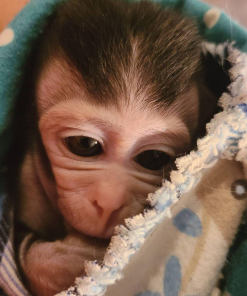
Macaque Monkeys: A Complete Species Guide
Macaques (genus Macaca) are one of the most widespread and adaptable Old World monkey genera, found across Asia and North Africa. Known for intelligence and behavioral flexibility, macaques include well-studied species such as the rhesus and Japanese macaque. This guide covers macaque biology, needs, and legal considerations.
Quick Facts
• Common name: Macaque monkey
• Scientific name: Genus Macaca
• Family: Cercopithecidae (Old World monkeys)
• Native range: Asia, with one species in North Africa/Gibraltar
• Habitat: Forest, mountain, and human-adjacent environments depending on species
• Adult weight: Roughly 7–40 lbs depending on species
• Lifespan: 25–30 years
• Diet: Omnivorous; fruit, seeds, invertebrates, and small animals
• Conservation status: Varies by species, Least Concern to Endangered (IUCN)
About Macaque Monkeys
Macaques are among the most behaviorally flexible primates, with roughly two dozen recognized species occupying habitats from tropical rainforest to snow-covered mountains. Their adaptability has made them one of the most extensively studied primate genera in behavioral and biomedical research.
Physical Characteristics
Macaques vary considerably in size and coloration by species, generally featuring a sturdy build, cheek pouches for temporarily storing food, and tails that range from long to a stub depending on species. Fur color ranges from golden to brown to gray.
Habitat and Natural Range
Macaques occupy the widest geographic range of any non-human primate genus, spanning tropical forests in Southeast Asia, mountainous terrain in Japan and Tibet, and even human-adjacent urban and temple environments in parts of South Asia.
Diet
Macaques are omnivorous generalists, eating fruit, seeds, leaves, invertebrates, and occasionally small animals. Their dietary flexibility mirrors their habitat adaptability. See our primate diet guide for general nutrition information.
Behavior and Social Structure
Macaques live in structured troops with clear dominance hierarchies, often centered on matrilineal female lineages. They display complex social behaviors including grooming, coalition-building, and learned cultural behaviors passed between generations.
Care and Welfare Considerations
Macaques are intelligent, socially complex, and long-lived, requiring significant space, structured enrichment, and social companionship. Species-specific needs can vary widely given the genus’s broad diversity, so thorough research is essential before considering a macaque’s care.
Legal and Regulatory Considerations
Macaque ownership, sale, and transport regulations vary considerably by country, state, county, and municipality, and some macaque species carry additional health-related handling considerations. We do not claim ownership is legal everywhere. See our primate ownership law overview and confirm current rules with your local wildlife authority.
Conservation
Conservation status varies widely across macaque species; some, like the rhesus macaque, are abundant, while others face significant threats from habitat loss and hunting. Region-specific conservation programs address threats unique to each species’ range.
Frequently Asked Questions
How big do macaque monkeys get?
Size varies significantly by species, from around 7 pounds to more than 40 pounds in the largest macaque species.
How long do macaques live?
Macaques typically live 25 to 30 years, with some individuals living longer in managed care.
What do macaques eat?
Macaques are omnivorous, eating fruit, seeds, leaves, invertebrates, and occasionally small animals.
Are pigtail monkeys a type of macaque?
Yes, pigtail monkeys belong to the genus Macaca, making them macaques; see our Pigtail Monkeys category for species-specific details.
Is it legal to own a macaque monkey?
Legality varies by jurisdiction and some areas apply additional handling regulations to macaques specifically. Always verify current requirements locally.
Are macaques endangered?
Conservation status varies widely by species, from Least Concern to Endangered.
Where do macaques live in the wild?
Macaques are found across Asia, with one species also native to North Africa and Gibraltar, occupying forest, mountain, and human-adjacent habitats.
Are macaques intelligent?
Yes, macaques are considered highly intelligent and behaviorally flexible, which is part of why they are so widely studied.
Related Categories
• Pigtail Monkeys
• Guenon Monkeys
• Vervet Monkeys
Related Educational Articles
• Asian Monkeys: Macaques, Langurs and Snow-Country Primates
• Japanese Macaque Guide: The Snow Monkey That Bathes in Hot Springs
• Old World vs. New World Monkeys: The Great Divide
Sources and Further Reading
For general species background, see the World Wildlife Fund primate resources and the USDA APHIS Animal Care program. Regulations vary by region; consult your local wildlife authority for current requirements.


Macaque Monkeys For Sale