


Introduction
Common Monkey Illnesses and Treatment. Understanding common illnesses and how to respond to them is essential for anyone caring for a baby monkey. Like all animals, monkeys can develop health issues, especially if their diet, environment, or care routine is not properly managed.
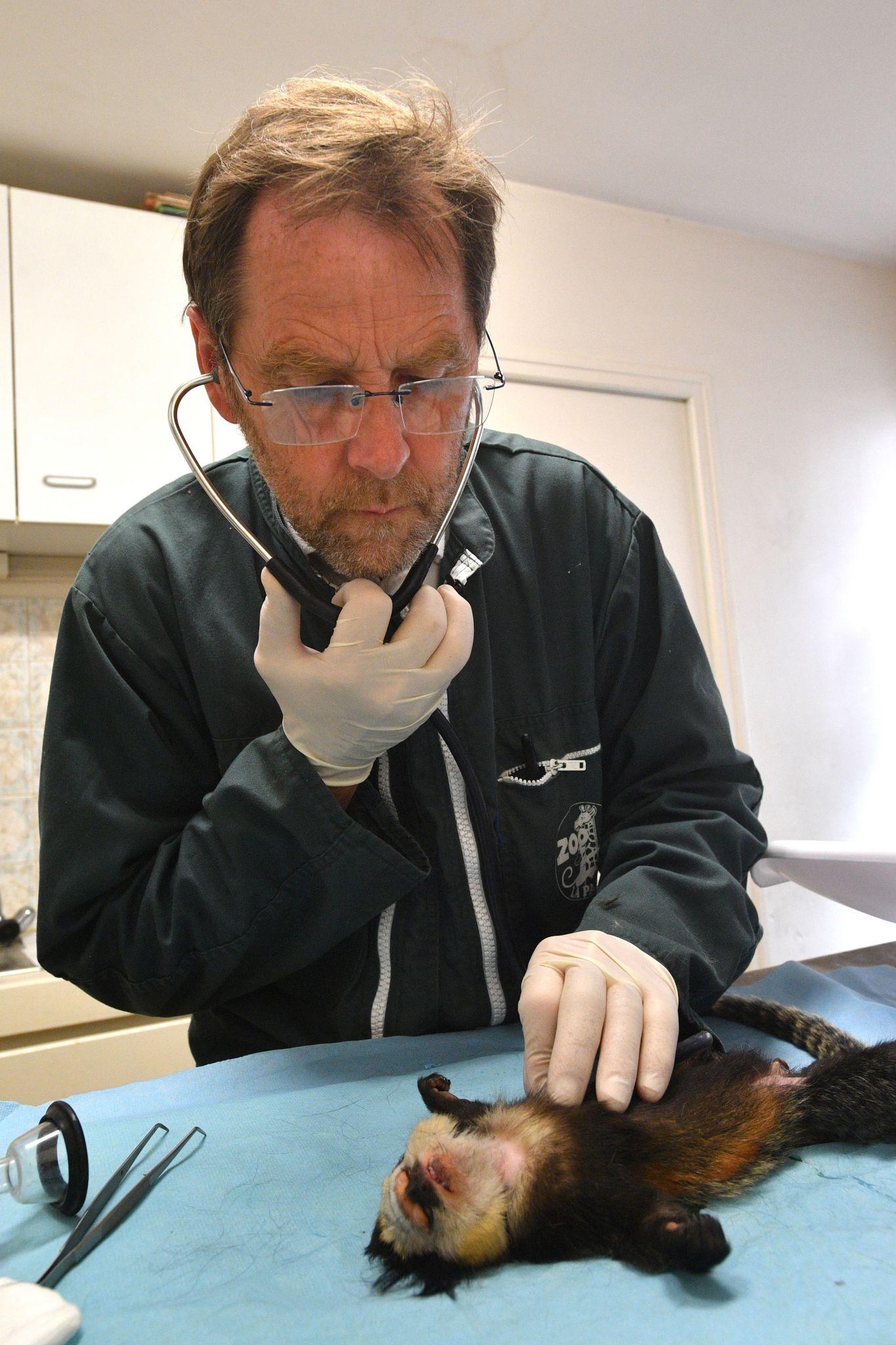
From experience, early detection and quick action are the most important factors in preventing minor issues from becoming serious health problems. Owners who monitor their monkeys closely are able to respond faster and maintain better overall health.
Common Illnesses in Monkeys
Digestive Issues
Digestive problems are among the most frequently observed health concerns.
Common Causes
- Sudden diet changes
- Poor-quality or inappropriate food
- Overfeeding
Symptoms
- Diarrhea
- Loss of appetite
- Weakness
In one case, a monkey developed diarrhea shortly after being introduced to a completely new diet. Once the feeding routine was corrected and stabilized, the condition resolved within a short period.
A balanced diet is critical. See our full guide on what monkeys eat.”
Respiratory Infections
Monkeys are sensitive to environmental changes, especially temperature and air quality.
Common Causes
- Cold environments
- Poor ventilation
- Exposure to drafts
Symptoms
- Sneezing
- Nasal discharge
- Difficulty breathing
- Reduced activity
From experience, monkeys kept in unstable temperatures are more likely to develop respiratory issues. Maintaining a warm and stable environment significantly reduces this risk.
Parasites
Parasites can affect both internal health and overall condition.
Common Causes
- Poor hygiene
- Contaminated food or water
Symptoms
- Weight loss
- Dull appearance
- Digestive irregularities
Routine hygiene and clean feeding practices are effective in preventing most parasite-related issues.
Monkeys are highly emotional animals and can develop health problems related to stress.
Common Causes
- Lack of attention
- Sudden environmental changes
- Isolation
Symptoms
- Aggression
- Withdrawal
- Loss of appetite
In several past cases, monkeys that were not receiving enough interaction began to show unusual behavior and reduced activity. Increasing daily attention and stabilizing their environment improved their condition.
Many health issues can be prevented with proper care, as explained in how to care for a baby monkey
Early Warning Signs to Watch For
Recognizing early symptoms allows for faster intervention.
Key Signs
- Reduced appetite
- Low energy or unusual inactivity
- Changes in behavior
- Weight loss
- Visible discomfort
From experience, small behavioral changes are often the first indication that something is wrong. Owners who act early are more likely to prevent serious complications.
Basic First Response and Immediate Actions
When symptoms appear, immediate action is important.
Initial Steps
- Ensure the monkey is hydrated
- Return to a stable and familiar diet
- Keep the environment clean and warm
- Limit stress and excessive handling
These steps help stabilize the monkey while preparing for further evaluation.
Veterinary Care
Professional veterinary attention is essential for proper diagnosis and treatment.
- Schedule regular health checkups
- Seek immediate care if symptoms persist
- Follow professional treatment recommendations
In one situation, an owner delayed veterinary care for what seemed like a minor issue. The condition worsened before treatment began. This highlights the importance of timely professional care.
Preventive Care
Prevention is always more effective than treatment.
Best Practices
- Maintain a balanced diet
- Keep living areas clean
- Provide fresh water daily
- Ensure regular interaction and stimulation
- Monitor health consistently
Monkeys raised in clean, stable, and attentive environments are far less likely to develop serious health issues.
Health Assurance and Responsibility
A responsible approach to care includes being prepared for both routine health maintenance and unexpected issues. Proper care, observation, and timely response are essential for maintaining long-term health.
From experience, owners who take a proactive approach to health management tend to have healthier and more stable animals.
“Before ownership, ensure you understand the legal aspects of owning a monkey.”
Conclusion
Common illnesses in monkeys can often be prevented or managed effectively with proper care, attention, and early intervention. Understanding the signs of illness and responding quickly is critical to ensuring a healthy and stable life for your monkey.
Consistent care, a clean environment, proper nutrition, and regular veterinary support are the foundation of responsible ownership. Owners who follow these principles are better equipped to handle challenges and provide a safe and healthy environment.
BROWSE available monkeys