
Monkey Facts & Species, Primates Care And Tips
Monkey Lifespan: How Long Do Monkeys Live?
Aug
Monkey lifespan varies enormously by species, from a few short years for tiny primates to four decades or more for larger ones.
Monkey lifespans range from roughly a decade to over four decades, and the gap between wild and captive figures is often startling. Understanding the numbers matters for conservation planning and, for anyone considering primate keeping, for grasping the length of the commitment involved.
Typical Lifespans by Group
- Marmosets – around 10 to 12 years in the wild, commonly 15 to 18 in good captive care.
- Tamarins – roughly 12 to 15 years, with captive records beyond 20.
- Squirrel monkeys – about 15 years in the wild, over 20 in captivity.
- Capuchins – 25 to 35 years, with well-documented captive individuals passing 45.
- Macaques – 20 to 30 years, longer under veterinary care.
- Baboons and mandrills – 20 to 30 years in the wild, sometimes 40 or more in captivity.
As a rule, larger species with slower reproduction live longer, which fits the broader pattern discussed in largest monkeys on Earth and smallest monkey species.
Why Captive Animals Often Live Longer
Wild monkeys face predation, injury, parasite loads, drought and seasonal food shortage. Remove those and the biological ceiling becomes visible. Reliable nutrition, wound treatment, parasite control and dental care add years, which is why zoo and sanctuary records routinely exceed field estimates. The same care, done badly, has the opposite effect: obesity, diabetes, metabolic bone disease and chronic stress shorten captive lives dramatically.
What Shortens a Monkey’s Life
Diet errors
Excess sugar and fat, calcium and vitamin D3 deficiency, and monotonous feeding are the most common and most damaging mistakes. See what monkeys eat, the species feeding guide, safe fruits and vegetables and foods never to feed a monkey.
Disease
Respiratory infections, diarrhoeal disease, tuberculosis and dental abscesses account for much captive mortality, and many are preventable with quarantine and hygiene. Read common monkey illnesses and treatment.
Chronic stress suppresses immune function and shortens life. Space, height, complexity and companionship all contribute, as covered in our enclosure guide and enrichment ideas.
Life Stages
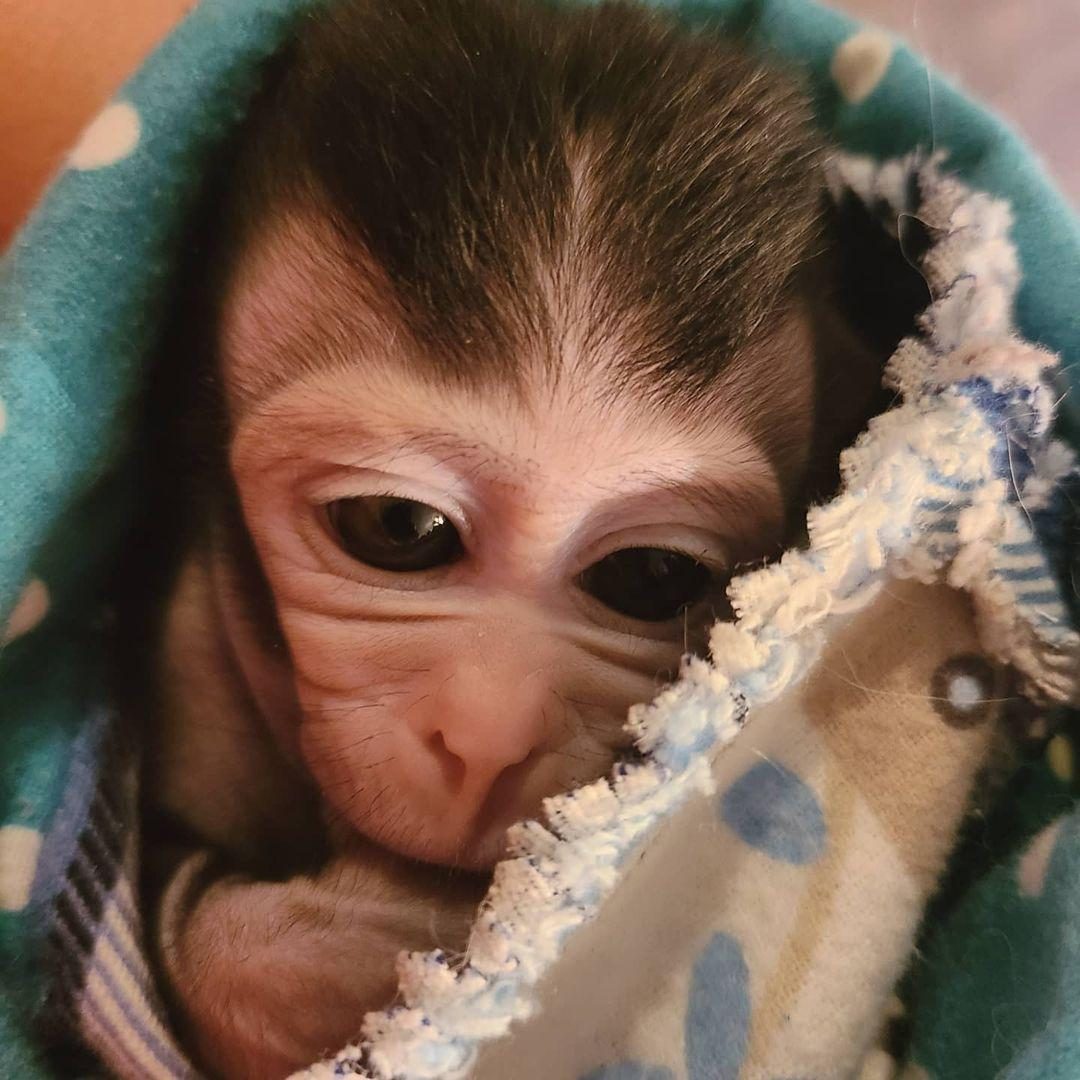
Infancy lasts months, with dependence on carrying and milk; the juvenile phase can run for years of play-based learning; sexual maturity arrives between two years in marmosets and six or more in large Old World monkeys; and old age brings tooth wear, arthritis, cataracts and declining rank. Development from birth onward is described in baby monkeys and monkey reproduction.
A Multi-Decade Commitment
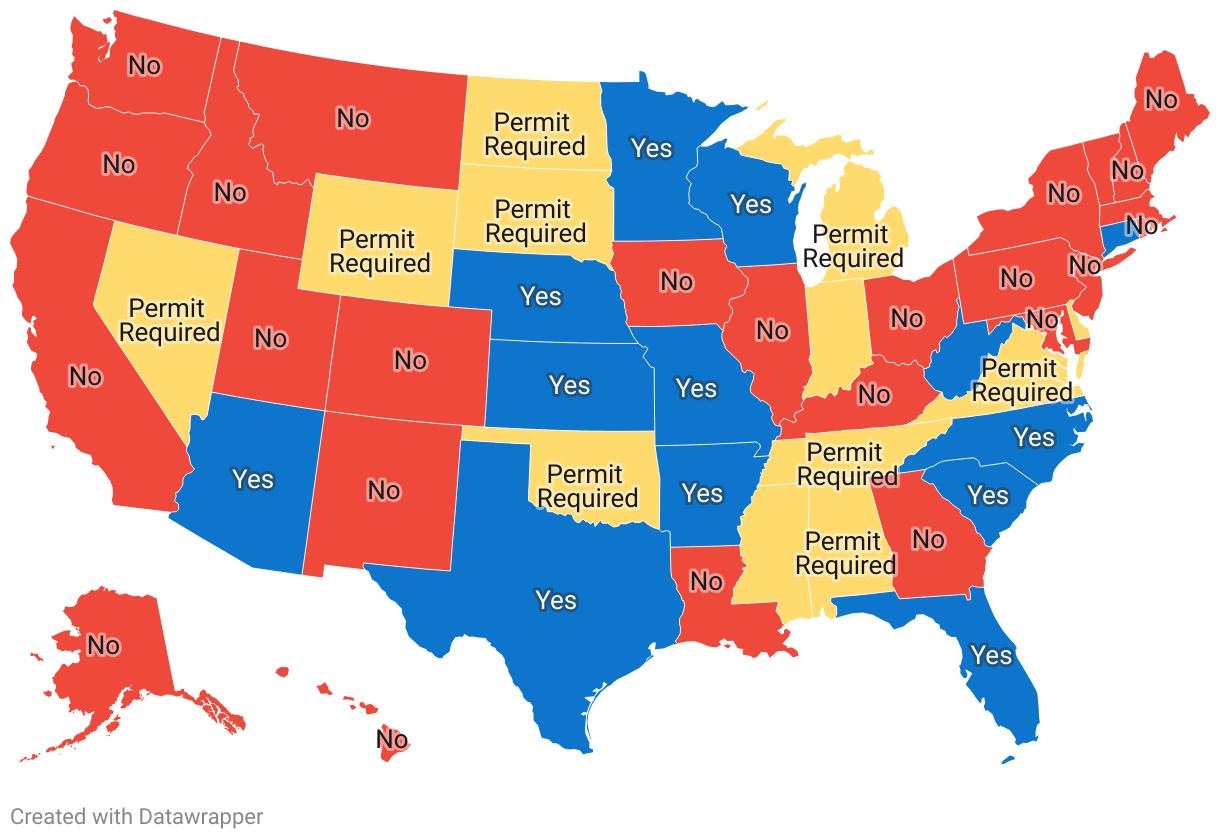
A capuchin acquired today may outlive a mortgage. Long-lived, socially demanding animals frequently outlast their owners’ circumstances, which is why sanctuaries are full. Anyone weighing this up should read is it legal to own a monkey and our beginner guide to monkey care first, and speak to us through our contact page with any questions.
Frequently Asked Questions
How long do monkeys live?
Roughly 10 to 15 years for small New World species and 25 to 40 years for capuchins, macaques and baboons, with captive individuals often exceeding wild figures.
Which monkey lives longest?
Large Old World monkeys and capuchins hold the records, with well-documented captive animals passing 40 and in some cases 45 years.
Why do captive monkeys often live longer?
No predators, reliable food, wound treatment and parasite control remove most causes of early wild death, provided diet and housing are correct.
What shortens a captive monkey’s life?
Sugary diets, calcium and vitamin D3 deficiency, obesity, dental disease, untreated infection and the chronic stress of isolation or cramped housing.
See also monkey predators, monkey adaptations and the overview in types of monkeys.
Further reading
Explore More
What Affects Monkey Lifespan in Captivity vs the Wild
Monkey lifespan is usually longer in captivity, where predators, disease, and food shortages are removed from the equation. General longevity research helps explain why some primates age more slowly than others.

Pingback: Monkey Conservation: What Actually Protects Primates - Universal Primates
Pingback: Types of Monkeys: A Complete Guide to Every Major Group - Universal Primates