
Monkey Facts & Species, Primates Care And Tips
Rainforest Monkeys: Life in the Canopy
Aug
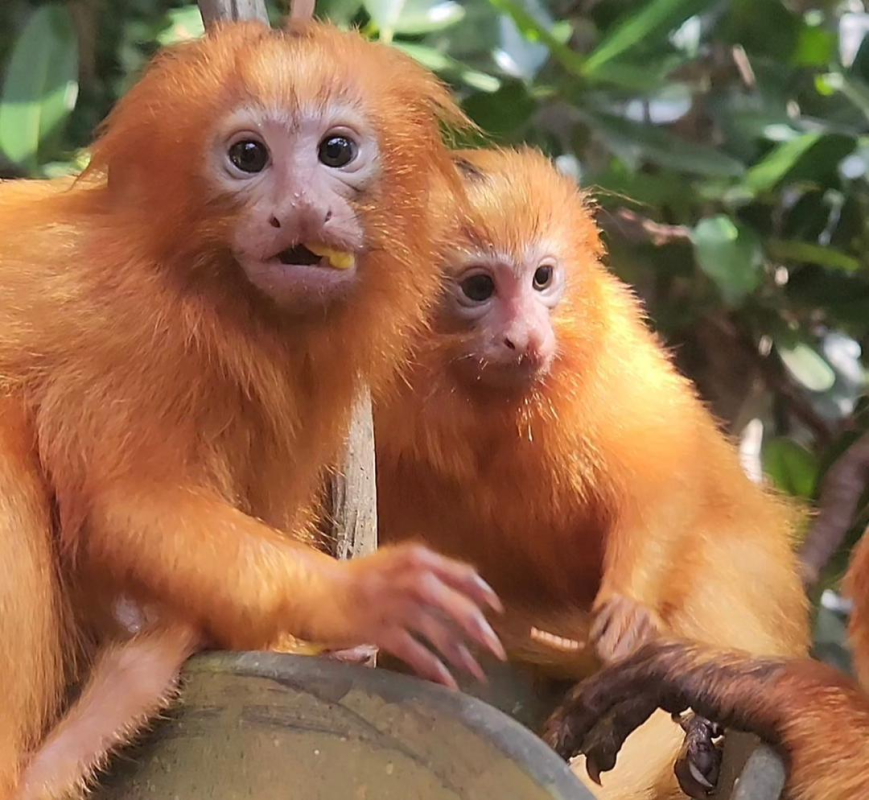
Rainforest monkeys spend most of their lives well above the ground, treating the canopy as both home and highway.
Rainforest holds more monkey species than every other habitat combined. The reason is structural: a mature tropical forest is not one habitat but a stack of them, and monkeys have divided that stack with remarkable precision.
In a single hectare of Amazonian forest several monkey species can coexist because they use different heights, different foods and different times of day. Spider and howler monkeys work the high canopy, capuchins and squirrel monkeys the middle layers, tamarins and marmosets the understorey, and owl monkeys the same forest at night. The vertical structure is explained further in monkey habitats explained and tree-dwelling monkeys.
The Amazon and Atlantic Forest
South American rainforest is the global centre of primate diversity, with capuchins, squirrel monkeys, titis, sakis, uakaris, howlers, spider monkeys, woolly monkeys, marmosets and tamarins all represented. Brazil’s Atlantic forest, now heavily fragmented, holds specialists such as the muriquis and the golden lion tamarin. See South American monkeys.

The Congo Basin and West Africa
African rainforest supports an exceptional variety of guenons, often several species travelling together in mixed groups, alongside colobus monkeys in the upper canopy and mandrills and drills on the floor. Mixed-species associations improve predator detection because each species watches a slightly different threat. More in African monkeys.
Southeast Asian Rainforest
Asian rainforest hosts macaques, langurs, surilis and the proboscis monkey of Borneo’s riverine and mangrove forest. Fruit availability here is famously irregular because many trees mast, fruiting heavily at long intervals, which forces monkeys to switch to leaves and seeds between events. See Asian monkeys.
What Rainforest Monkeys Eat
Fruit dominates most diets, supplemented by young leaves, flowers, seeds, insects, gum and the occasional small vertebrate. Because fruiting is patchy in space and time, canopy monkeys need excellent spatial memory and large ranges, a cognitive demand explored in monkey intelligence. Dietary categories are broken down in what monkeys eat.
Monkeys as Forest Engineers
Fruit-eating monkeys swallow seeds and deposit them far from the parent tree, making them significant seed dispersers. Removing monkeys from a forest measurably changes which tree species regenerate, which is why primate declines matter beyond the primates themselves.
The Threat Picture
Logging, agriculture, mining and roads remove and fragment rainforest faster than any other monkey habitat. Combined with hunting, this makes rainforest species heavily represented among endangered monkey species, and the responses are covered in monkey conservation.
Frequently Asked Questions
Why do rainforests have so many monkey species?
Because mature rainforest is layered. Different species use different heights, foods and activity times, so many can coexist in the same hectare.
What do rainforest monkeys eat?
Mainly fruit, supplemented with young leaves, flowers, seeds, insects and gum, with the mix varying by species and season.
Do monkeys help the forest?
Yes. Fruit eaters swallow seeds and deposit them far from the parent tree, making them significant seed dispersers that shape which trees regenerate.
Which rainforest has the most monkeys?
The Amazon basin, with the Congo Basin second. Brazil alone holds more primate species than any other country.
See where do monkeys live, nocturnal monkeys and the family overview in types of monkeys.
Further reading
Explore More
Why the Canopy Matters So Much to Rainforest Monkeys
For rainforest monkeys, the canopy provides food, escape routes from predators, and safe sleeping sites all in one layer of forest. The broader rainforest ecosystem depends on these primates for seed dispersal in return.

Pingback: Capuchin Monkey Facts: Size, Diet, Lifespan & Intelligence
Pingback: 8 Monkey Species Around the World by Region - Universal Primates
Pingback: 6 Smallest Monkey Species and Where They Live - Universal Primates
Pingback: 7 Monkey Habitats From Swamps to Mountains - Universal Primates
Pingback: Best Places to See Monkeys: 5 Amazing Wild Destinations