
Monkey Facts & Species, Primates Care And Tips
South American Monkeys: The New World Specialists
Aug
Every monkey in South America belongs to the New World family, and every one of them is fundamentally a tree animal. Isolated on the continent for tens of millions of years, they diversified into a set of forms found nowhere else, including the only primates with a genuinely prehensile tail.
Capuchins
Capuchins are the continent’s problem solvers, using stone hammers to crack nuts and sticks to probe for insects. They live in mixed-sex troops with clear hierarchies and are the New World species most often kept by people, which is why we cover their needs in detail in our capuchin care guide and capuchin profiles.
Squirrel Monkeys
Small, fast and intensely social, squirrel monkeys travel in troops that can exceed fifty animals, often alongside capuchins. Their birth season is tightly synchronised, so most infants in a troop arrive within a few weeks of each other. See our squirrel monkey profiles.

Spider and Howler Monkeys
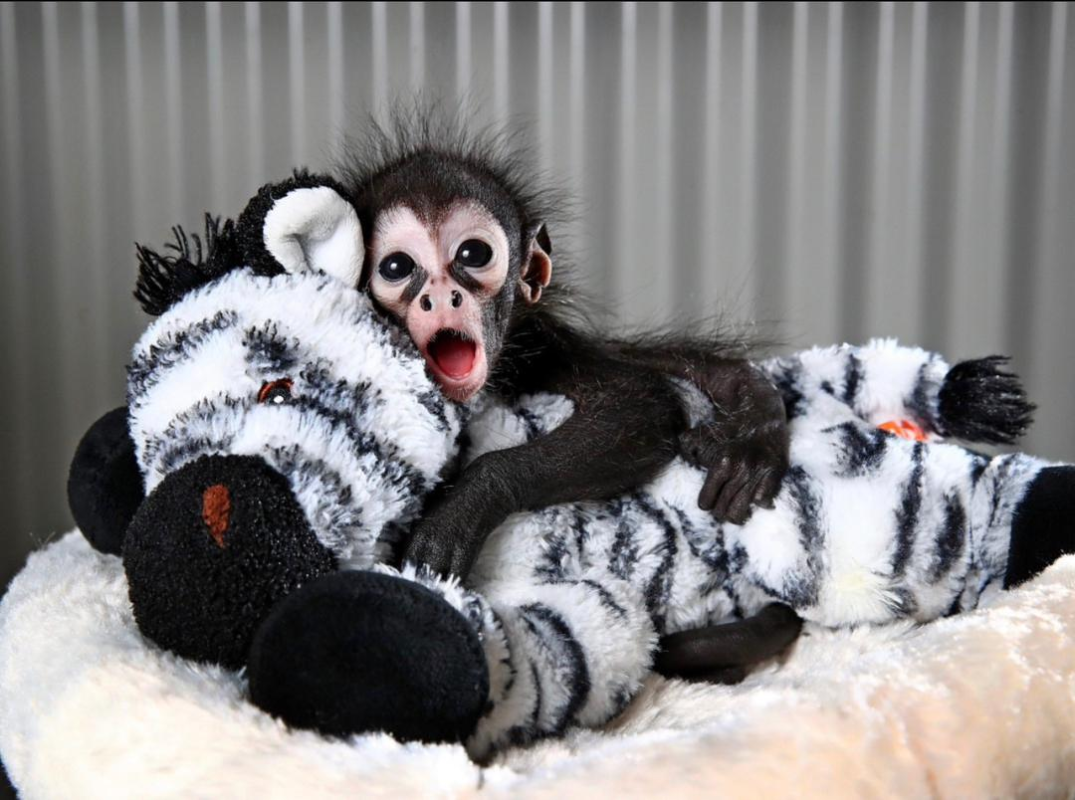
Spider monkeys are long-limbed canopy acrobats with a prehensile tail and no functional thumb, built for suspended travel. They live in fission-fusion societies, splitting into small parties to find scattered fruit. Howler monkeys, by contrast, are slow-moving leaf specialists whose enlarged throat apparatus produces roars audible for kilometres, letting groups settle territorial questions without fighting. Both appear in largest monkeys on Earth and our spider monkey profiles.
Marmosets and Tamarins
The smallest monkeys on the continent, marmosets and tamarins live in cooperative family groups, usually produce twins and share infant carrying between fathers and siblings. Marmosets gouge bark for gum with specialised incisors. See smallest monkey species, our marmoset profiles and tamarin profiles.
Titis, Sakis and Uakaris
Titi monkeys form strongly bonded pairs that sit with tails entwined. Sakis and bearded sakis are seed specialists with robust teeth for opening hard husks. Uakaris, with their bare crimson faces, occupy seasonally flooded forest along Amazonian rivers.
Owl Monkeys
The only truly nocturnal monkeys anywhere, owl monkeys have huge light-gathering eyes and largely monogamous family groups. See nocturnal monkeys and our owl monkey profiles.
Muriquis
Brazil’s muriquis are the largest monkeys in the Americas and unusually peaceable, with males rarely competing aggressively. Restricted to fragments of Atlantic forest, they are among the most endangered primates in the world.
Why the Continent Matters
Brazil alone holds more primate species than any other country, so Amazonian and Atlantic forest protection has outsized global consequences. See endangered monkey species and monkey conservation.
Frequently Asked Questions
Are all South American monkeys tree-dwelling?
Effectively yes. Every New World species is primarily arboreal, and most spend almost no time on the ground.
Which South American monkey is the loudest?
The howler monkey, whose enlarged throat apparatus produces roars audible for kilometres through dense forest.
Which are the smallest South American monkeys?
Marmosets and tamarins, with the pygmy marmoset the smallest monkey in the world at 100 to 140 grams.
Why do spider monkeys have no thumbs?
A reduced thumb makes a stronger hook for swinging beneath branches, and their prehensile tail takes over the gripping role.
Continue with rainforest monkeys, Old World versus New World monkeys and types of monkeys.
Feeding strategy divides these species more than anything else. The full comparison is in monkey diet by species.
Further reading
Explore More

Pingback: Monkey Diet by Species: What Each Monkey Really Eats - Universal Primates
Pingback: 6 African Monkeys From Guenons to Baboons - Universal Primates