
Monkey Facts & Species, Primates Care And Tips
Endangered Monkey Species: The Primates Closest to Extinction

Aug
Several endangered monkey species now survive in fragments of forest a fraction of the size their ancestors once roamed.
Roughly two thirds of primate species are now classified as threatened, and monkeys make up a large share of that total. The causes are consistent across continents, and so are the solutions, which is why the situation is serious rather than hopeless.
Species Under the Greatest Pressure
- Roloway monkey – a West African guenon reduced to fragmented forest patches in Ghana and Ivory Coast.
- Niger Delta red colobus – one of the most threatened primates in Africa, squeezed by logging and hunting.
- Tonkin snub-nosed monkey – a Vietnamese species down to a very small remaining population.
- Cat Ba langur – confined to a single Vietnamese island, recovering slowly from near collapse.
- Northern muriqui – Brazil’s largest monkey, restricted to remnants of Atlantic forest.
- Golden lion tamarin – a conservation success story, brought back from a few hundred animals but still dependent on protected corridors.
What Is Driving the Declines
Habitat loss
Logging, palm oil, soy, cattle pasture, mining and road building remove and fragment forest. Fragmentation is often as damaging as outright clearance, because small isolated groups lose genetic diversity and cannot recolonise. Habitat structure and why it matters is covered in monkey habitats explained.

Hunting
Bushmeat hunting has become commercial in parts of West and Central Africa, and firearms make even canopy species vulnerable. Slow reproduction, described in monkey reproduction, means populations cannot absorb the losses.
The wildlife trade
Capture for the pet and entertainment trades typically kills adults to obtain infants, and most captured infants die before reaching a buyer. This is the single strongest argument for strict legal frameworks and for buying only from properly licensed, regulated sources. Read is it legal to own a monkey for the regulatory picture.
Disease and climate change
Primates share pathogens with humans, so contact around farms and tourist sites carries risk in both directions. Shifting rainfall patterns are also changing fruiting cycles that monkeys depend on.
What Works
Protected areas with real enforcement, forest corridors linking fragments, community-led conservation that makes living primates more valuable than dead ones, and carefully managed captive breeding with reintroduction have all produced measurable gains. The golden lion tamarin and the Cat Ba langur both show that decline can be reversed. Our companion article on monkey conservation looks at these programmes in more detail.
Frequently Asked Questions
How many monkey species are endangered?
Around two thirds of all primate species are classified as threatened, and monkeys make up a large share of that figure.
What is the most endangered monkey?
Candidates include the Tonkin snub-nosed monkey, the Niger Delta red colobus and the Roloway monkey, all reduced to very small fragmented populations.
What is the biggest threat to monkeys?
Habitat loss and fragmentation, closely followed by hunting and capture for trade. Slow reproduction makes recovery difficult.
Has any monkey species recovered?
Yes. The golden lion tamarin and the Cat Ba langur both rebounded from near collapse through protection, corridor restoration and managed breeding.
See the global spread in monkey species around the world, regional detail in African monkeys and Asian monkeys, and the family map in types of monkeys.
Further reading
Explore More
What Is Being Done for Endangered Monkey Species
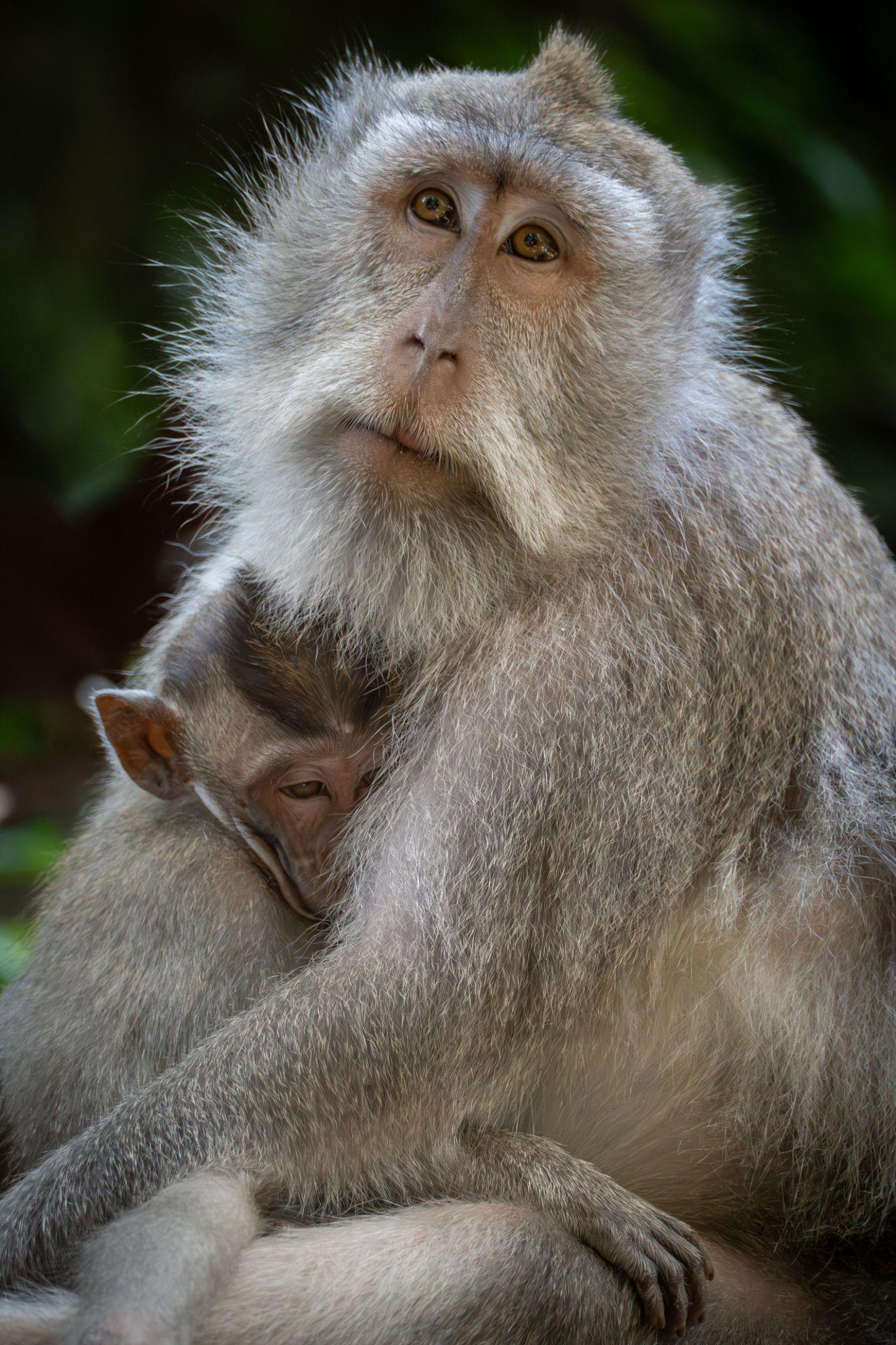
Protecting endangered monkey species usually means combining anti-poaching patrols, habitat corridors, and community education programs. Wildlife conservation groups track population trends to judge whether these efforts are working.

Pingback: Asian Monkeys: Macaques, Langurs and Snow-Country Primates - Universal Primates
Pingback: Monkey Diet by Species: What Each Monkey Really Eats - Universal Primates
Pingback: Illegal Wildlife Trade & Monkeys: Trafficking Explained
Pingback: Spider Monkey Facts: Tail, Diet, Habitat & Conservation
Pingback: Top Monkey Questions Answered - Universal Primates
Pingback: 6 Facts About Monkey Reproduction and Mating - Universal Primates
Pingback: 6 Monkey Predators and How Primates Survive - Universal Primates