
Primates Care And Tips
Capuchin Monkey Care Guide for First-Time Owners
Jun
Introduction
A Capuchin Monkey Care Guide for First-Time Owners is essential for anyone considering keeping a capuchin monkey because these animals are highly intelligent, emotionally sensitive, and extremely demanding in captivity.
A capuchin monkey (Capuchin monkey) is not a typical companion animal. They require specialized care, structured environments, and long-term commitment that often spans several decades.
Without proper knowledge, first-time owners quickly face behavioral issues, stress-related health problems, and welfare challenges. This guide explains everything needed to raise a capuchin responsibly.
Understanding Capuchin Monkeys
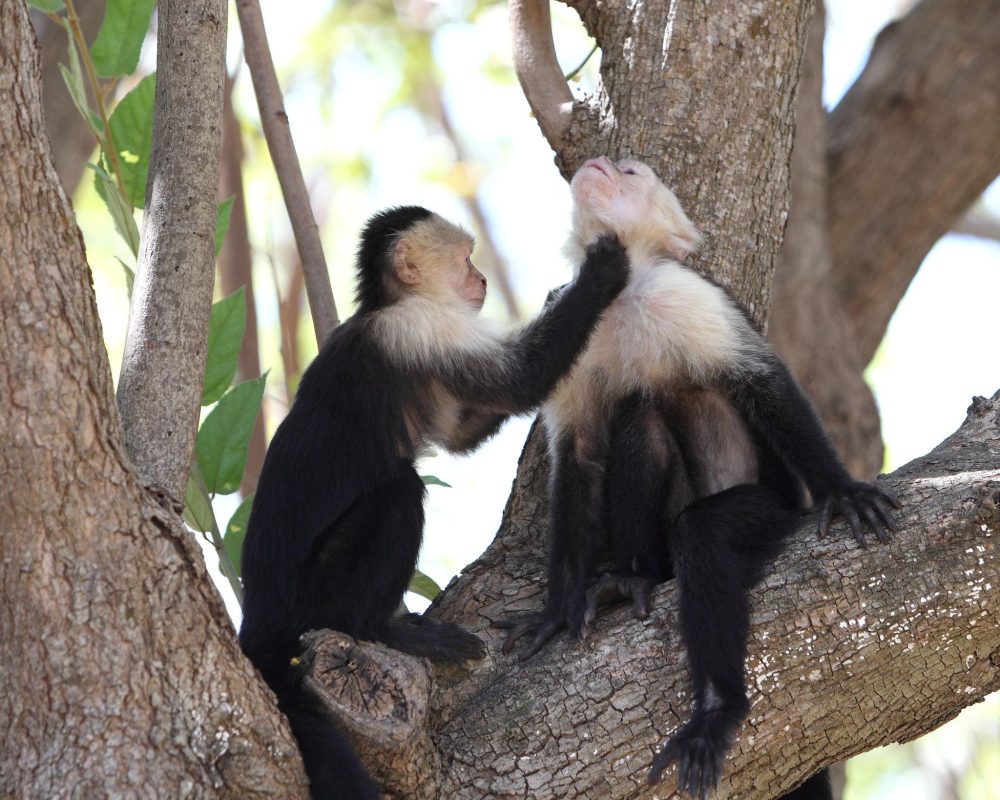
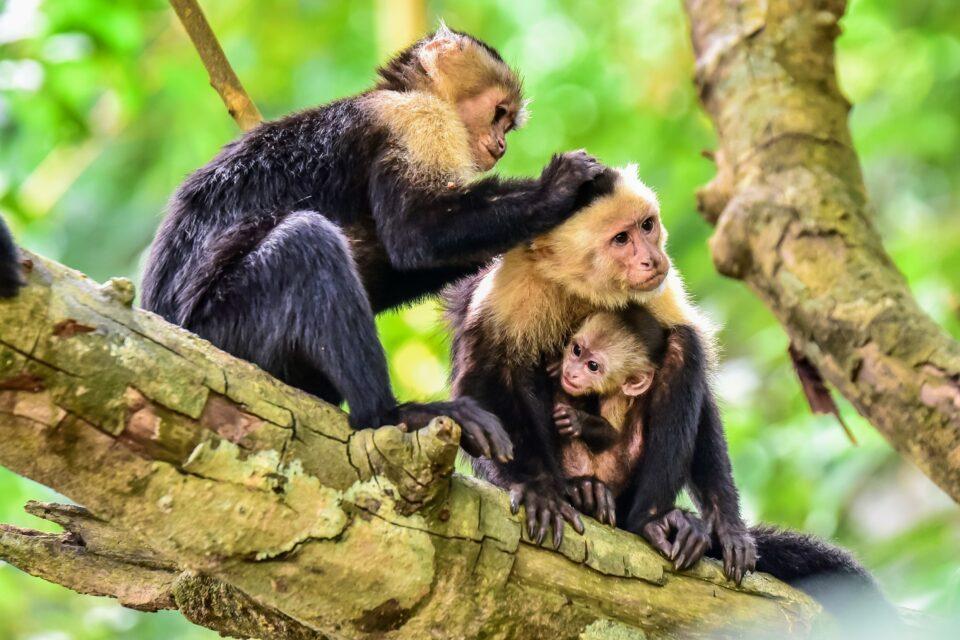

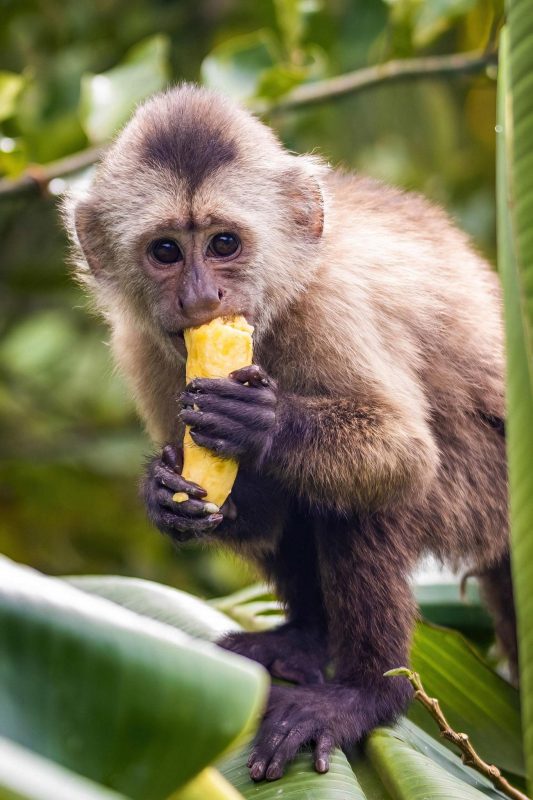
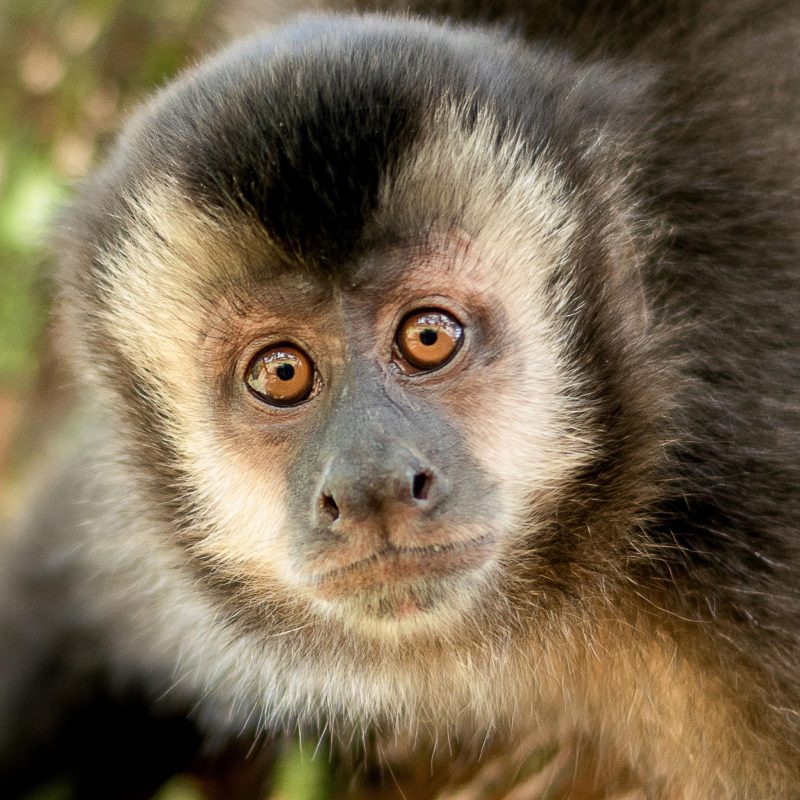
Capuchins are New World primates known for their intelligence and advanced problem-solving abilities.
Key characteristics:
- Highly intelligent and capable of tool use
- Strong social hierarchy and bonding behavior
- Lifespan of 30–45 years in captivity
- Constant need for stimulation and interaction
A Capuchin Monkey Care Guide for First-Time Owners must begin with understanding that their cognitive abilities rival those of young children.
Legal and Ethical Ownership Considerations
Before acquiring a capuchin monkey, legal compliance is critical.
Important points:
- Ownership may be restricted or banned depending on region
- Permits may be required for exotic animal ownership
- Veterinary access can be limited
- Ethical concerns about primate captivity must be considered
Many countries regulate primates due to welfare and safety risks. Always verify laws before proceeding.
Housing and Enclosure Setup
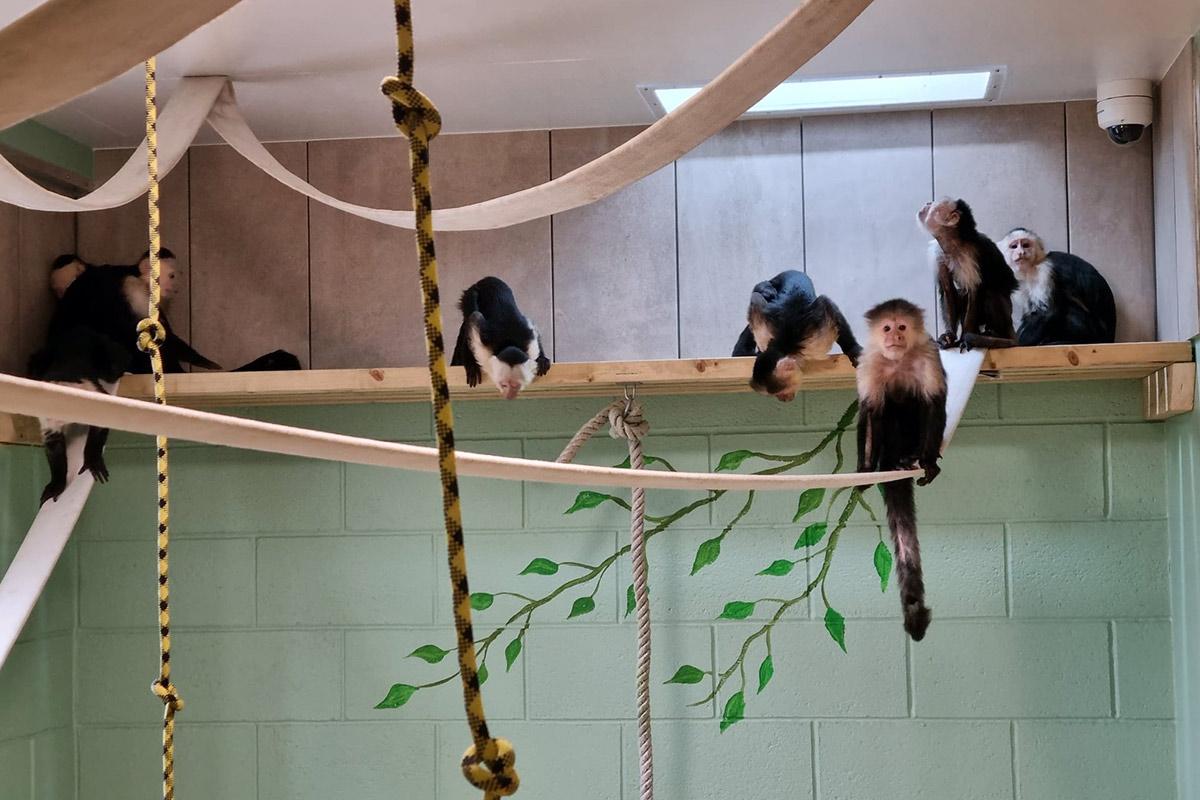
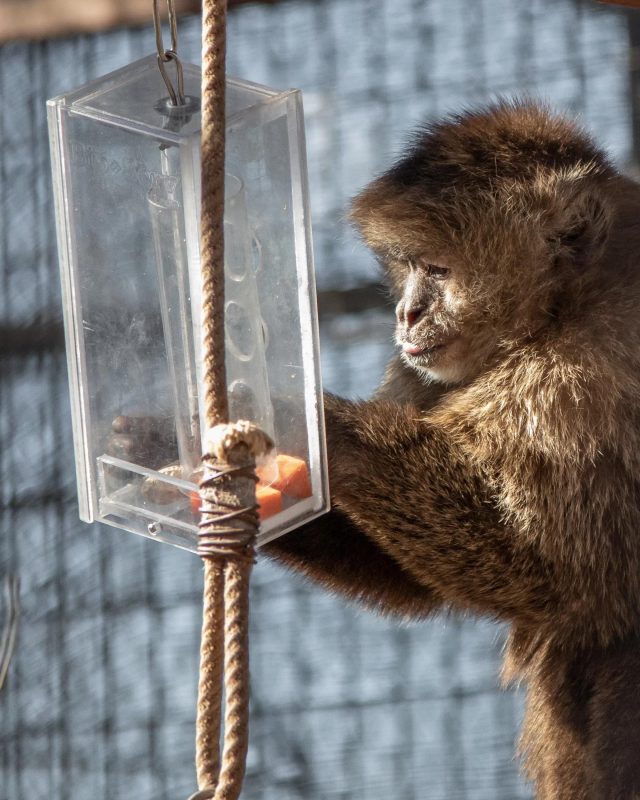
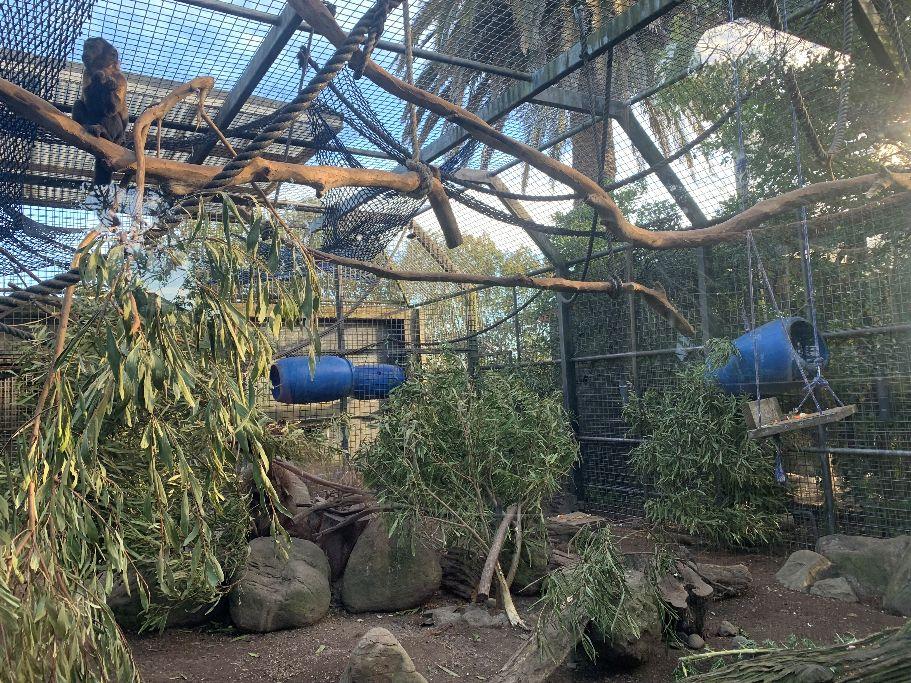
A proper enclosure is one of the most important parts of a Capuchin Monkey Care Guide for First-Time Owners.
Minimum requirements:
- Tall, vertical climbing space
- Secure, escape-proof structure
- Multiple levels and platforms
- Strong, non-toxic materials
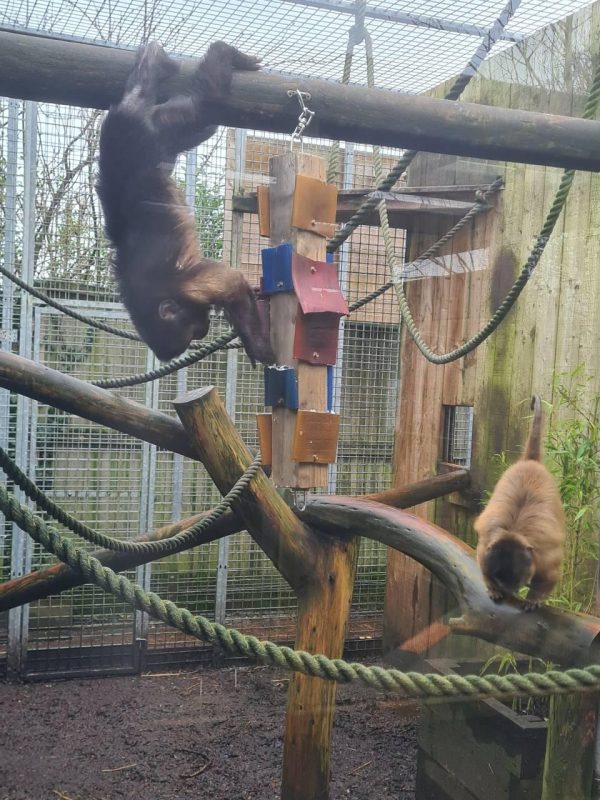
Enrichment essentials:
- Ropes, swings, and ladders
- Puzzle feeders and foraging toys
- Rotating environmental stimulation
- Natural branches when safe
Without enrichment, capuchins can develop destructive or repetitive behaviors.
Diet and Nutrition Requirements
Proper nutrition is vital for long-term health.
Daily diet should include:
- Fresh fruits (berries, apples, bananas)
- Vegetables (leafy greens, carrots, squash)
- High-quality primate pellets
- Occasional protein (insects or eggs under vet guidance)
Foods to avoid:
- Processed human food
- Sugary snacks
- Caffeine and alcohol
- Toxic foods like avocado
Diet imbalance is one of the most common health issues highlighted in any Capuchin Monkey Care Guide for First-Time Owners.
BROWSE CAPUCHIN MONKEYS FOR SALE
More About Capuchins in the Wild
Capuchin behaviour in captivity makes far more sense once you know how they live naturally. See smartest monkey species, South American monkeys and monkey behaviour and social life.
Further reading
Explore More

Pingback: Smartest Monkey Species: Ranking the Great Problem Solvers - Universal Primates