
Monkey Facts & Species, Primates Care And Tips
Monkey Behavior and Social Life: Inside a Troop
Aug
Monkey behavior inside a troop is far more complex than simple foraging, involving alliances, hierarchies, and even reconciliation after conflict.
Almost every monkey is a social animal, and for most species the troop is the environment that shapes their lives more than the forest does. Rank, alliances, grooming debts and family ties determine who eats first, who breeds and who survives a hard season.
Types of Monkey Society
- Multi-male, multi-female troops – the commonest arrangement, seen in macaques, baboons and vervets, with dozens of animals and clear dominance ranks.
- Fission-fusion groups – spider monkeys split into small foraging parties by day and reassemble at sleeping trees, a system that reduces competition for scattered fruit.
- Cooperative family units – marmosets and tamarins live in small groups where usually one female breeds and everyone helps carry the infants.
- One-male harems – found in several langurs and in geladas, where bachelor bands wait for an opening.
Hierarchy and Rank
Dominance is rarely settled by strength alone. In many Old World monkeys females inherit rank from their mothers, producing stable matrilines that persist for generations, while males compete, immigrate and often hold top rank only briefly. High rank buys food access and mating opportunity but carries the cost of constant vigilance.
Grooming removes parasites, but its real function is political. Monkeys groom allies, appease superiors and repair relationships after conflict. Time spent grooming predicts who will support whom in a dispute, and troops that groom more recover faster from tension. In captivity, a monkey with no grooming partner is a monkey under chronic stress, which is why single housing damages welfare so reliably.
Conflict and Reconciliation
Fights are common; grudges are not. Many species reconcile within minutes using embraces, lip-smacking or presenting for grooming. Third parties intervene, console victims and remember who behaved badly. This capacity for social repair is one of the strongest arguments that monkeys track relationships rather than merely react, a theme developed in monkey intelligence.
Learning and Culture
Techniques spread through troops by observation: nut cracking in capuchins, stone handling and food washing in Japanese macaques, and local foraging habits that differ between neighbouring groups of the same species. See smartest monkey species for the leading examples.
Raising the Next Generation
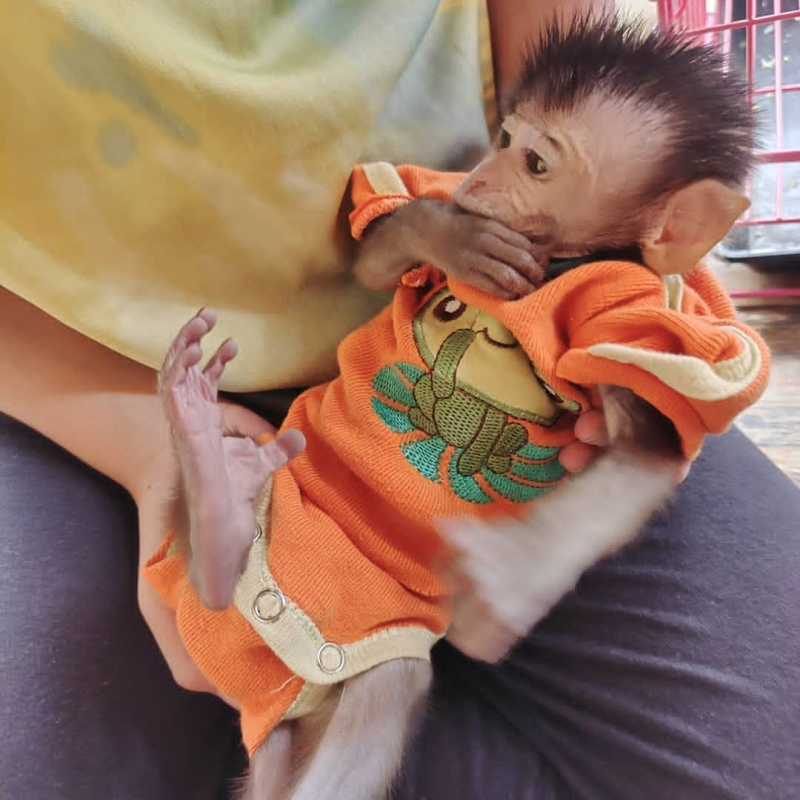
Infants are carried for months, weaned slowly and tolerated in ways adults never tolerate each other. Aunts, siblings and in some species fathers all contribute, and juvenile play is the training ground for adult social skill. Continue in baby monkeys and monkey reproduction.
Why This Matters in Human Care
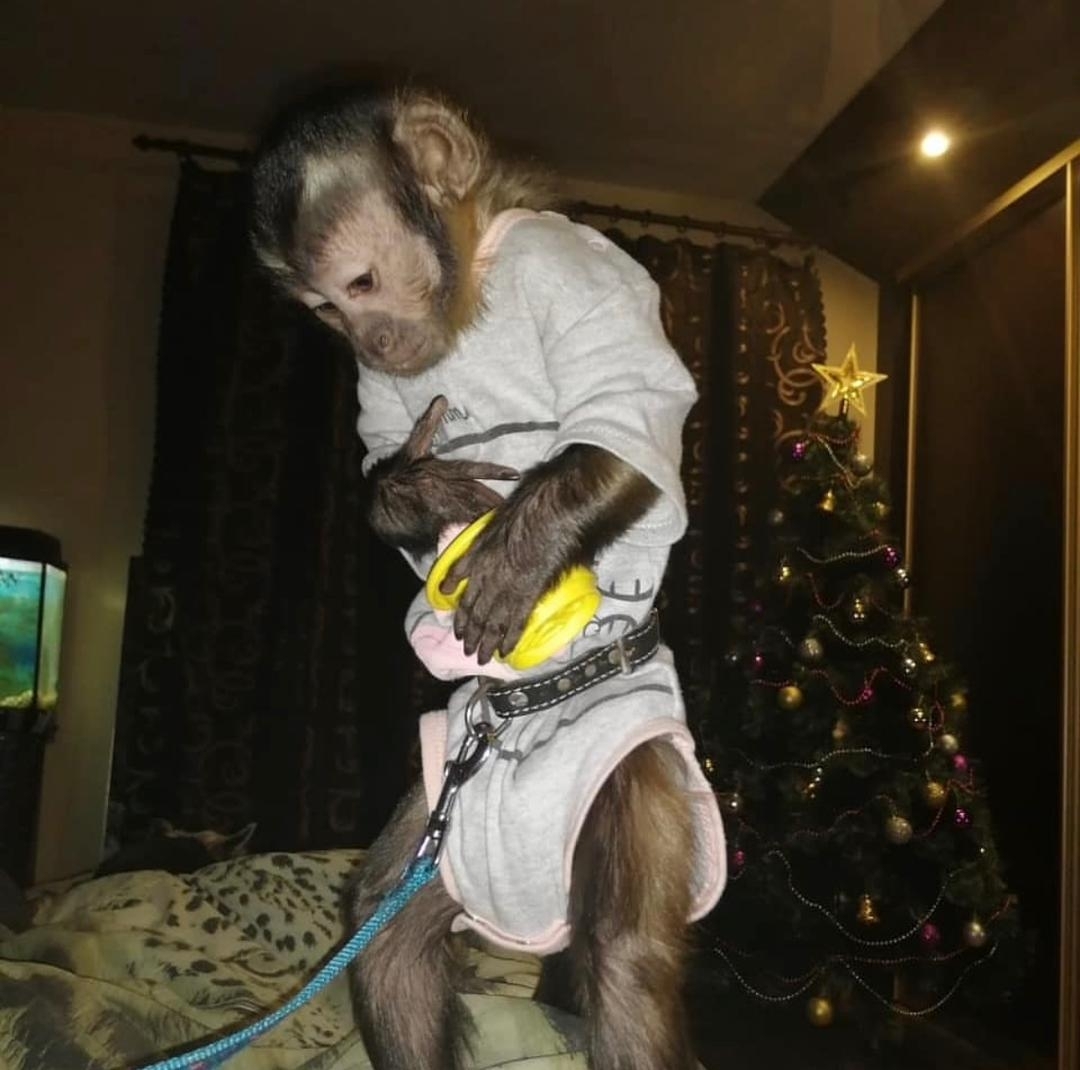
A monkey raised without conspecifics does not become a better companion; it becomes a socially illiterate animal prone to fear and aggression as it matures. Anyone considering primate keeping should read the beginner guide to monkey care, our daily routine guide and the legal position before anything else.
Frequently Asked Questions
Do monkeys live in groups?
Almost all do. Group sizes range from a bonded pair in owl monkeys to troops of several hundred in geladas and mandrills.
Why do monkeys groom each other?
Grooming removes parasites, but its main function is social: it builds alliances, appeases higher-ranking animals and repairs relationships after conflict.
How is dominance decided in a troop?
In many Old World monkeys females inherit rank from their mothers, producing stable matrilines, while males compete and often hold top rank only briefly.
Can a monkey be kept alone?
Not without harm. Social isolation causes chronic stress, stereotypic behaviour and self-injury in nearly every monkey species.
Follow the signals in how monkeys communicate and the wider family in types of monkeys.
Further reading
Explore More
Why Monkey Behavior Varies Between Troops
Monkey behavior is not fixed by species alone; individual personality, troop size, and resource availability all shape day-to-day social patterns. Ethology research continues to reveal how flexible these social strategies really are.

Pingback: Monkey Intelligence: What Research Really Shows - Universal Primates
Pingback: Old World vs. New World Monkeys: The Great Divide - Universal Primates
Pingback: Monkey Diet by Species: What Each Monkey Really Eats - Universal Primates
Pingback: 25 Funny Monkey Behaviors Explained - Universal Primates
Pingback: Famous Monkeys in Movies and TV - Universal Primates
Pingback: 8 Monkey Species Around the World by Region - Universal Primates
Pingback: 6 Facts About Baby Monkeys and Their First Year - Universal Primates
Pingback: 6 Facts About Monkey Reproduction and Mating - Universal Primates