
Monkey Facts & Species, Primates Care And Tips
How Monkeys Communicate: Calls, Faces, Scent and Touch
Aug
Monkey communication is layered. A single interaction can involve a call, a facial expression, a body posture and a scent left behind afterwards. Reading those channels correctly is what allows dozens of individuals to live together without constant violence.
Vocal Communication
Monkey vocabularies are larger than most people expect. Vervets use distinct alarm calls for leopards, eagles and snakes, and troop members respond appropriately even when they cannot see the threat. Howler monkeys produce roars audible for kilometres, advertising territory without a fight. Marmosets exchange soft contact calls to stay coordinated in dense undergrowth, and pygmy marmosets use frequencies at the edge of human hearing. Infants must learn to use many calls correctly, which is why juvenile alarm calls are often false alarms.
Facial Expressions
Primate faces carry unusually fine muscle control. A silent bared-teeth display signals submission or appeasement in macaques, an open mouth with covered teeth invites play, raised brows and a direct stare threaten, and lip-smacking soothes. Because these signals are species-specific, a gesture that calms one monkey can provoke another, and a human smile is easily misread as a threat display by a macaque.
Body Posture and Gesture
Rank is broadcast constantly through posture: tail carriage, shoulder height, approach angle and who yields the path. Presenting the rump, offering a limb for grooming and turning the head away are all de-escalation signals. Branch shaking, ground slapping and charging displays let animals settle disputes with theatre rather than injury.
Scent Marking
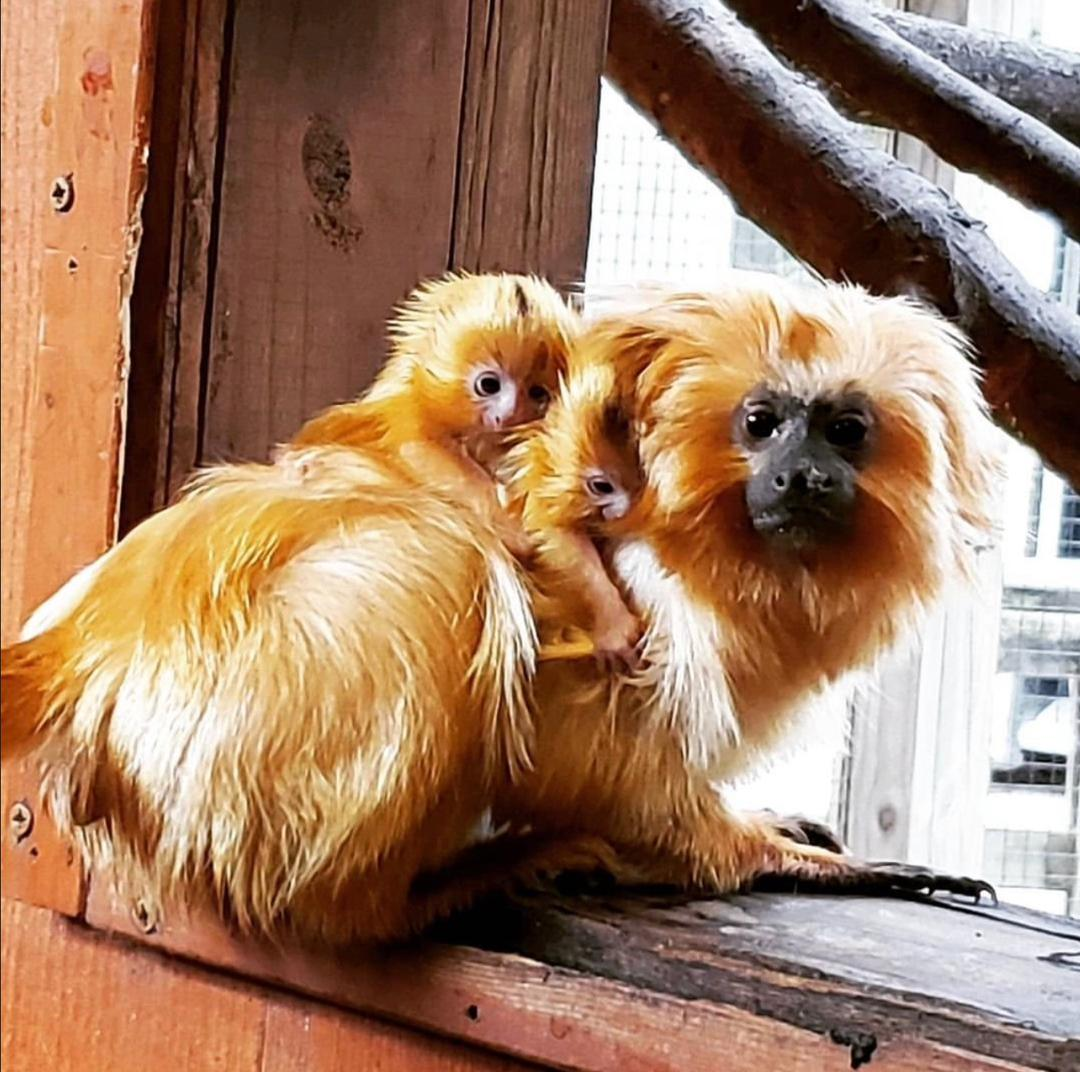
New World monkeys in particular rely on scent. Marmosets and tamarins have specialised glands on the chest and around the genitals and deposit secretions on branches to advertise territory, reproductive condition and identity. Because scent persists, it communicates with animals that are not present, something a call cannot do.
Touch
Grooming is the most important social behaviour in most troops, and embraces, hand-holding and huddling all serve to reduce tension. Contact is also how infants are reassured; a young monkey deprived of it develops lasting behavioural problems. The social function of touch is examined further in monkey behaviour and social life.
What Communication Tells Us About Cognition
Referential alarm calls, learned call usage and audience effects, where a monkey calls more when useful listeners are present, all point to more than reflex. Our article on monkey intelligence and the rankings in smartest monkey species take this further.
Reading Your Own Monkey
Keepers who learn the signals prevent most bites before they happen. Watch for freezing, piloerection, rapid glances, yawning that displays canines and sudden silence, all of which precede aggression. Calm handling, predictable routines and enrichment reduce the frequency of these states, as covered in daily care routines and mental stimulation. Health problems also change behaviour, so read common monkey illnesses if a normally sociable animal withdraws.
Frequently Asked Questions
Do monkeys have language?
Not language in the human sense, but several species use calls that refer to specific things, such as separate vervet alarm calls for leopards, eagles and snakes.
Do monkeys understand human expressions?
Partly, and often incorrectly. A human smile that exposes teeth can read as a threat or a submissive grimace depending on the species, which is why misunderstandings lead to bites.
Why do monkeys scent mark?
Scent carries information about territory, identity and reproductive state, and it keeps working after the animal has moved on. New World monkeys rely on it far more than Old World species.
How can I tell a monkey is stressed?
Watch for freezing, raised hair, rapid glances, yawning that displays the canines and sudden silence. All of these commonly precede aggression.
Continue with types of monkeys, nocturnal monkeys and baby monkeys.
Further reading
Explore More

Pingback: 25 Funny Monkey Behaviors Explained - Universal Primates
Pingback: Monkey Reproduction: Mating Systems, Gestation and Rearing - Universal Primates
Pingback: 6 Smartest Monkey Species and Their Best Skills - Universal Primates
Pingback: 6 Smallest Monkey Species and Where They Live - Universal Primates
Pingback: 7 Monkey Behavior Patterns Inside a Troop - Universal Primates
Pingback: 6 Monkey Intelligence Facts Backed by Research - Universal Primates
Pingback: 6 African Monkeys From Guenons to Baboons - Universal Primates