
Enrichment & Exercise, Primates Care And Tips
How to Keep a Monkey Mentally Stimulated
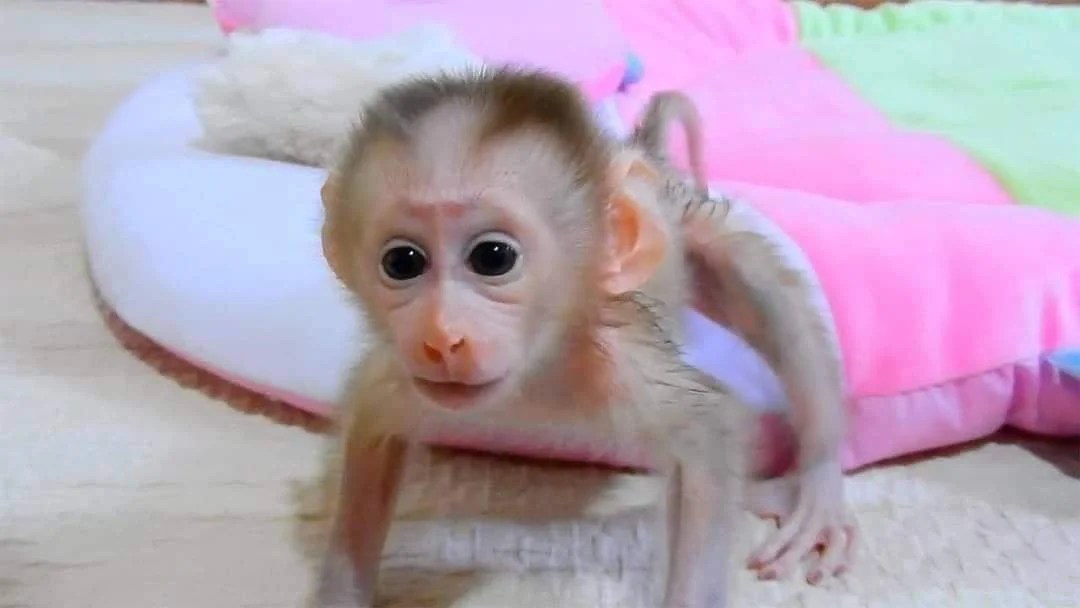
Jul
Monkey mental stimulation matters just as much as physical exercise, since bored primates often develop anxious or destructive habits.
Monkeys are among the most intelligent animals on the planet, and that intelligence needs an outlet. Mental stimulation is not a luxury—it’s essential for a primate’s psychological health. A mentally engaged monkey is calmer, more confident, and far less likely to develop problem behaviors.
Understand Your Monkey’s Mind
Primates are natural problem-solvers, learners, and explorers. The most intelligent species crave challenges. Macaque Monkeys are remarkably clever and quickly learn routines, latches, and puzzles, so they need a steady stream of new mental challenges to stay satisfied.
Training as Mental Exercise
Positive-reinforcement training does more than teach behaviors—it exercises the mind and strengthens your bond. Highly trainable species like Capuchin Monkeys thrive on learning new tasks and respond eagerly to reward-based sessions.
Puzzle Feeders and Problem-Solving Toys
Rotate puzzle feeders, nesting toys, and foraging boards that require your monkey to think and manipulate objects to earn a reward. Increase difficulty gradually to keep challenges fresh.
Respect Natural Rhythms
Stimulation should match a species’ biology. Owl Monkeys are nocturnal, so their most engaging activities should be offered in the evening when they are naturally alert and inquisitive.
Novelty and Variety
Introduce new objects, rearrange the enclosure, and vary daily activities so your monkey always has something new to investigate. Predictable routines provide security, but novelty provides growth.
Interaction with you and, where appropriate, a companion of the same species keeps a monkey emotionally balanced and mentally sharp.
Give the Mind What It Needs
A stimulated monkey is a thriving monkey. Explore our healthy, hand-raised primates and prepare to meet the needs of a brilliant new companion.
Teaching Simple Behaviors and Cues
Training is one of the most rewarding forms of mental stimulation. Start with easy, positive-reinforcement cues—targeting a hand, sitting on a perch, or trading an object for a treat. Short, frequent sessions work better than long ones, and they double as valuable bonding time that deepens your relationship.
Recognizing Boredom Before It Becomes a Problem
An under-stimulated monkey may become withdrawn, destructive, or develop repetitive habits. Catching these early signs lets you increase challenges before behaviors become ingrained. A brilliant animal that has nothing to do will always find something to do—so it is your job to make sure that something is constructive.
Frequently Asked Questions
Are monkeys really that intelligent? Yes. Primates are among the smartest animals, capable of problem-solving, tool use, and complex social learning.
Can I overstimulate my monkey? Balance is key. Provide plenty of challenges, but also quiet time and predictable routines so your monkey can rest and feel secure.
What if my monkey ignores a puzzle? Adjust the difficulty, use a more enticing reward, or try a different style of puzzle—preferences vary from animal to animal.
Ready to welcome a healthy, hand-raised primate into your home?
Every monkey we place is vet-checked, well-socialized, and comes from licensed, ethical breeders.
The Science Behind Enrichment
Enrichment works because monkeys are problem solvers. See monkey intelligence and smartest monkey species.
Further reading
Explore More
Signs Your Monkey Mental Stimulation Plan Is Working
A good monkey mental stimulation routine shows results quickly: calmer behavior, better appetite, and less repetitive pacing or self-directed behavior. Readers exploring animal cognition research can find even more evidence-based activity ideas.

Pingback: 6 Facts About Monkey Exercise Needs Owners Miss - Universal Primates
Pingback: 8 Monkey Enrichment Ideas That Stop Boredom Fast - Universal Primates