
Enrichment & Exercise, Primates Care And Tips
How Much Exercise Does a Monkey Need?

Jul
Understanding monkey exercise needs helps owners prevent obesity, boredom, and destructive behavior in captive primates.
In the wild, monkeys spend most of their waking hours climbing, foraging, leaping, and exploring. Captive primates need plenty of physical activity to stay healthy in body and mind. Too little exercise leads to obesity, muscle loss, and frustration-driven behaviors.
Why Exercise Matters
Regular movement supports cardiovascular health, strong muscles, healthy joints, and a stable weight. Just as importantly, physical activity burns energy that would otherwise fuel stress or destructive behavior.
How Much Is Enough?
There’s no single number, but most species need several hours of active movement spread throughout the day. Extremely athletic, acrobatic species such as Spider Monkeys require large vertical spaces where they can swing and climb almost constantly to stay fit and content.
Building Activity Into the Day
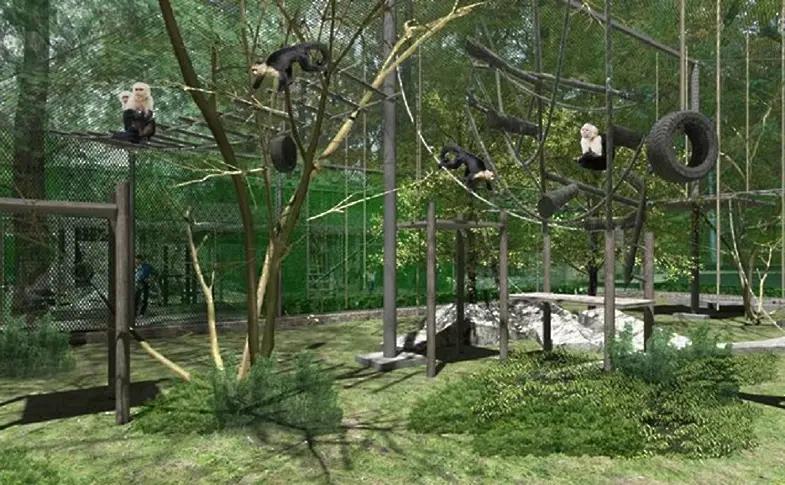
Design the enclosure so movement is unavoidable—place food, water, and resting spots at different heights so your monkey has to climb to reach them. High-energy species like Vervet Monkeys benefit from ropes, ladders, and platforms that encourage constant motion.
Play and Foraging as Exercise
Foraging is one of the best forms of natural exercise. Scatter-feed and hide food so your monkey has to search and work for meals. Curious, busy species such as Squirrel Monkeys will spend hours happily foraging when the environment is set up well.
Supervised Out-of-Enclosure Time
Where safe and lawful, supervised time in a secure, enriched space gives your monkey room to stretch and explore beyond its enclosure. Always prioritize safety and never leave a primate unsupervised in an unsecured area.
Give Your Monkey Room to Thrive
An active monkey is a healthy, happy monkey. Explore our vet-checked primates and prepare a space where your companion can move and play freely.
Signs Your Monkey Isn’t Getting Enough Exercise
Weight gain, lethargy, irritability, and repetitive behaviors can all signal that a monkey needs more activity. A well-exercised primate is alert, agile, and engaged with its environment. If you notice these warning signs, add climbing challenges, more foraging opportunities, and additional supervised play time.
Age and Species Considerations
Younger monkeys are typically bundles of energy that need abundant outlets for play, while older animals benefit from gentler, joint-friendly activity. High-energy species require far more space and stimulation than calmer ones, so tailor the exercise plan to your specific monkey’s needs.
Frequently Asked Questions
Can a monkey get enough exercise indoors? Yes, if the space is large, tall, and richly outfitted with climbing structures—though outdoor access adds valuable variety.
Is foraging really exercise? Absolutely. Searching and working for food keeps a monkey moving for hours and satisfies a powerful natural instinct.
How do I safely let my monkey out of its enclosure? Only in a secure, monkey-proofed space under constant supervision, and where local laws permit.
Ready to welcome a healthy, hand-raised primate into your home?
Every monkey we place is vet-checked, well-socialized, and comes from licensed, ethical breeders.
Further reading
Explore More
Matching Monkey Exercise Needs to Species and Age
Monkey exercise needs are not one-size-fits-all: younger, more arboreal species usually need more climbing and jumping opportunities than older or ground-dwelling ones. General exercise science can help owners judge whether their current routine is enough.

Pingback: Monkey Intelligence: What Research Really Shows - Universal Primates
Pingback: Monkey Habitat Accessories Worth Buying - Universal Primates