
Monkey Facts & Species, Primates Care And Tips
Monkey Evolution: From Early Primates to Modern Species

Aug
Monkey evolution is a story of a body plan built for trees, one improbable ocean crossing and several bursts of diversification driven by changing forests. The broad outline is well supported by both fossils and genetics, even though many details remain debated.
Primate Origins
The earliest primates appear in the fossil record around 55 to 60 million years ago as small, nocturnal, insect-eating animals living in trees. Grasping hands, nails instead of claws and forward-facing eyes were established early, because all three pay off immediately for an animal moving through fine branches.
The Simian Split
By roughly 40 million years ago the simians, the group containing monkeys and apes, had separated from the lineage leading to lemurs and lorises. Simians shifted toward daytime activity, better colour vision and larger brains, changes that suited a diet of fruit and young leaves in a well-lit canopy.
Old World and New World Divergence
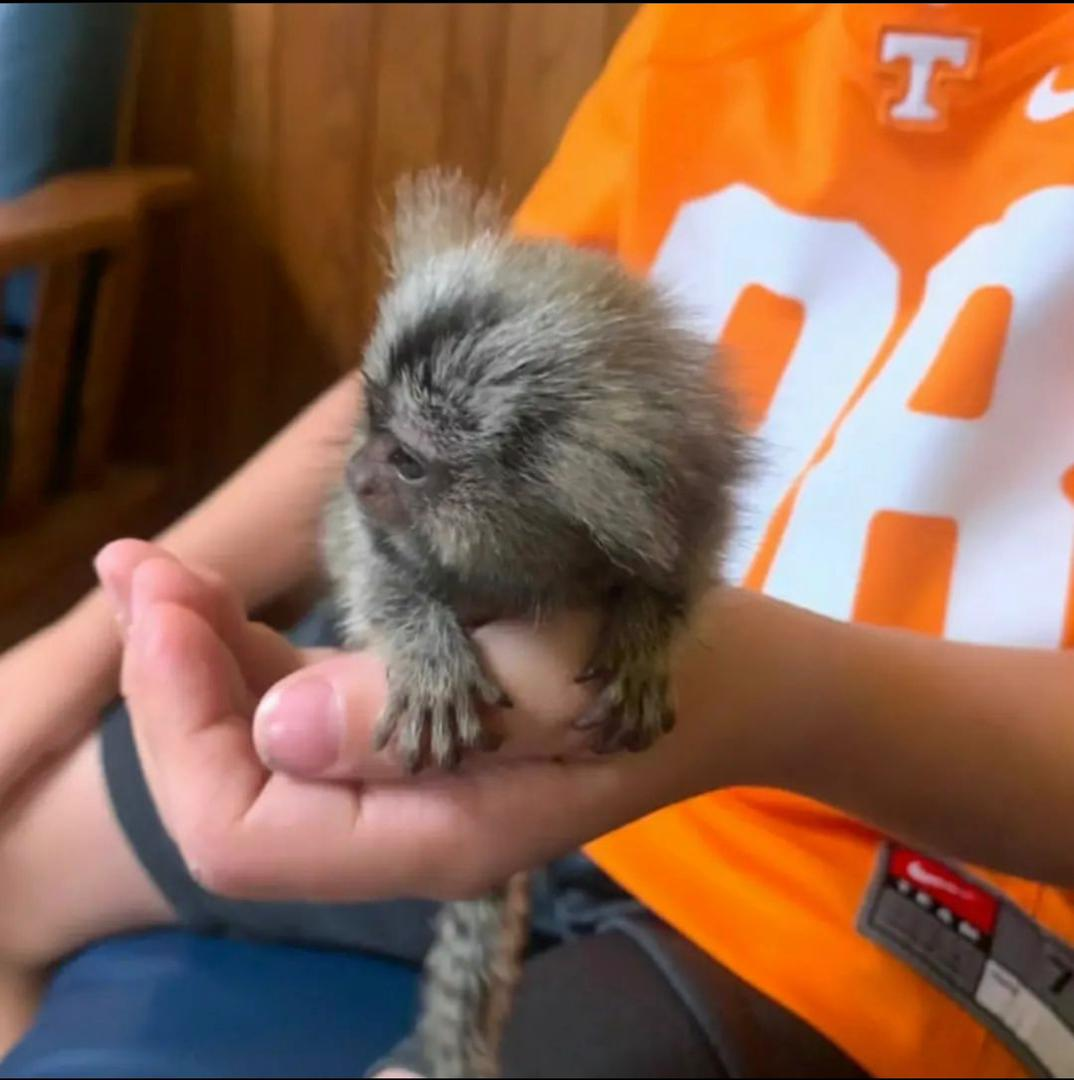
The catarrhines of Africa and Asia and the platyrrhines of the Americas parted company around 35 to 40 million years ago. The ancestors of New World monkeys are thought to have reached South America from Africa on natural rafts of vegetation at a time when the Atlantic was narrower, then diversified in isolation for tens of millions of years. That isolation is why prehensile tails, extra premolars and cooperative breeding appear in the Americas and nowhere else, as compared in Old World versus New World monkeys.
The Ape Branch
Apes emerged from within the catarrhine group about 25 to 30 million years ago, losing the tail and reorganising the shoulder for suspension. Monkeys are therefore not primitive apes; the two are sister branches of the same tree. See monkeys versus apes.
Radiations and Climate
Old World monkeys expanded dramatically as forests contracted and grasslands spread, favouring adaptable, partly terrestrial species such as baboons and macaques. Leaf-eating specialists took a different route, evolving fermenting stomachs to exploit foliage that fruit eaters could not use. In the Americas, Andean uplift, river formation and repeated forest expansion and contraction split populations and generated the extraordinary diversity now found in Amazonia, described in South American monkeys.
Evidence Behind the Story
Fossils supply dates and anatomy, molecular clocks supply branching times, and comparative anatomy links form to function. Where the two lines of evidence disagree, as they sometimes do over the timing of the American crossing, the debate is about decades of refinement rather than the overall shape of the tree.
Why Evolution Matters for Care
Every captive requirement traces back to evolutionary history. Gum-gouging teeth mean gum in the diet, fermenting guts mean fibre, canopy limbs mean vertical space, and social brains mean companionship. See monkey adaptations, the species feeding guide and our enclosure guide.
Frequently Asked Questions
When did monkeys evolve?
The simian group containing monkeys and apes was established by roughly 40 million years ago, with the earliest primates appearing 55 to 60 million years ago.
How did monkeys reach South America?
Almost certainly by drifting from Africa on natural rafts of vegetation when the Atlantic was narrower, some 35 to 40 million years ago.
Did humans evolve from monkeys?
No. Humans are apes, and both apes and monkeys descend from a shared simian ancestor that was neither a modern monkey nor a modern ape.
Why do Old World and New World monkeys differ so much?
Tens of millions of years of separate evolution on different continents produced independent solutions to similar problems, from tails to teeth to breeding systems.
Continue with types of monkeys, monkey intelligence and monkey species around the world.
Further reading
Explore More

Pingback: Monkey Diet by Species: What Each Monkey Really Eats - Universal Primates
Pingback: 6 Monkey Intelligence Facts Backed by Research - Universal Primates