
Monkey Facts & Species, Primates Care And Tips
Monkeys vs. Apes: How to Tell the Difference

Aug
Telling monkeys vs apes apart is easier once you know a few reliable physical clues that hold true across almost every species.
Calling a chimpanzee a monkey is the most common mistake in primate conversation. Both belong to the group of simians, but the ape and monkey lineages parted company roughly 25 to 30 million years ago, and the differences run from the skeleton to social behaviour.
The Quick Test: Tails
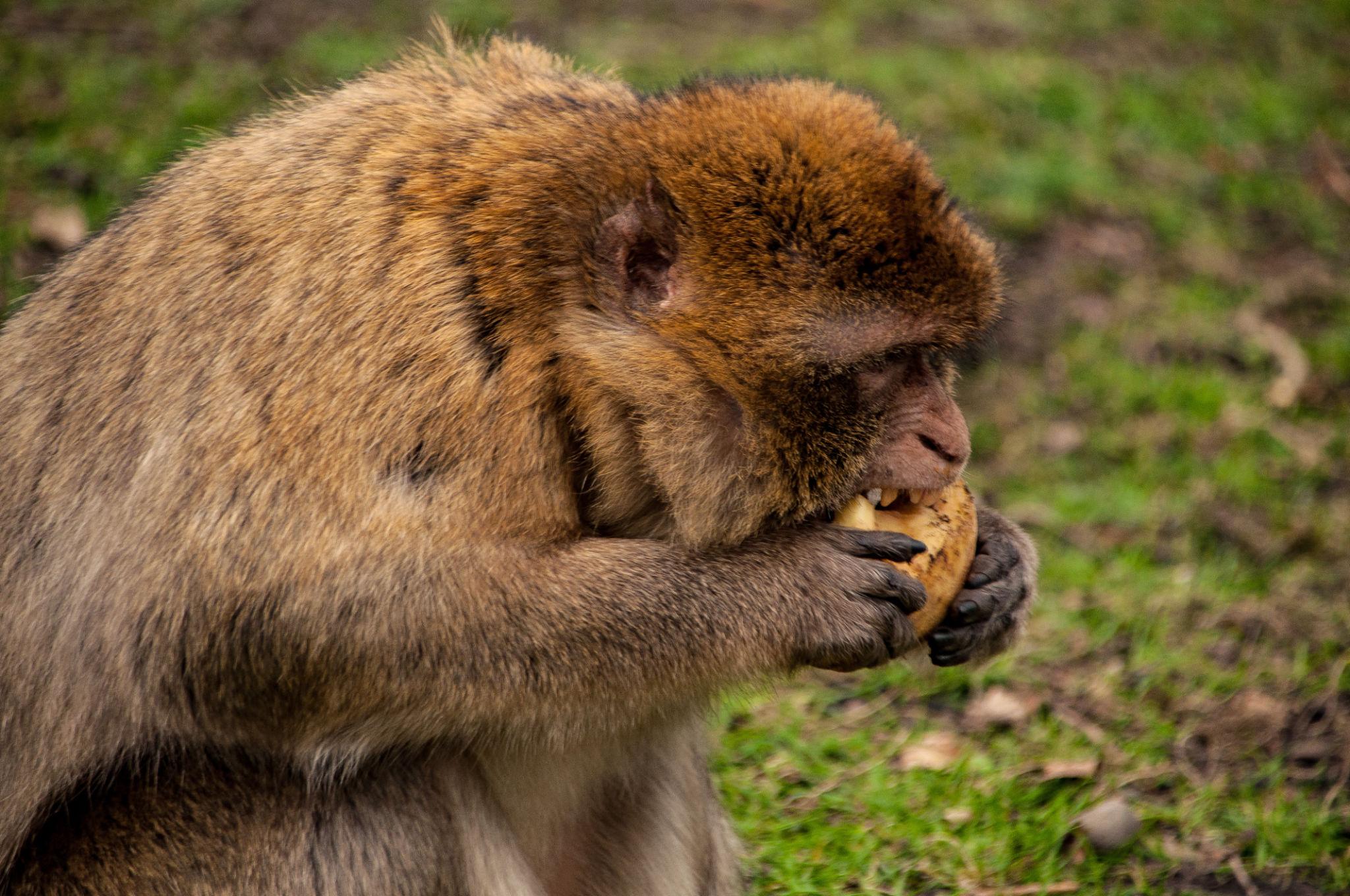
Almost all monkeys have tails; no ape does. That single rule resolves most cases. The exceptions are worth knowing: Barbary macaques and some other macaques have only a stub, so tail length alone is not proof, and Barbary macaques are still monkeys.
Skeleton and Movement
Apes have broad, shallow chests, highly mobile shoulder joints and no tail, a package built for hanging and swinging beneath branches. Monkeys have narrower, deeper chests and shoulders arranged for walking along the tops of branches on all fours. Watch a gibbon travel by arm-swinging and a macaque run along a branch and the mechanical difference is obvious.
Brains and Cognition
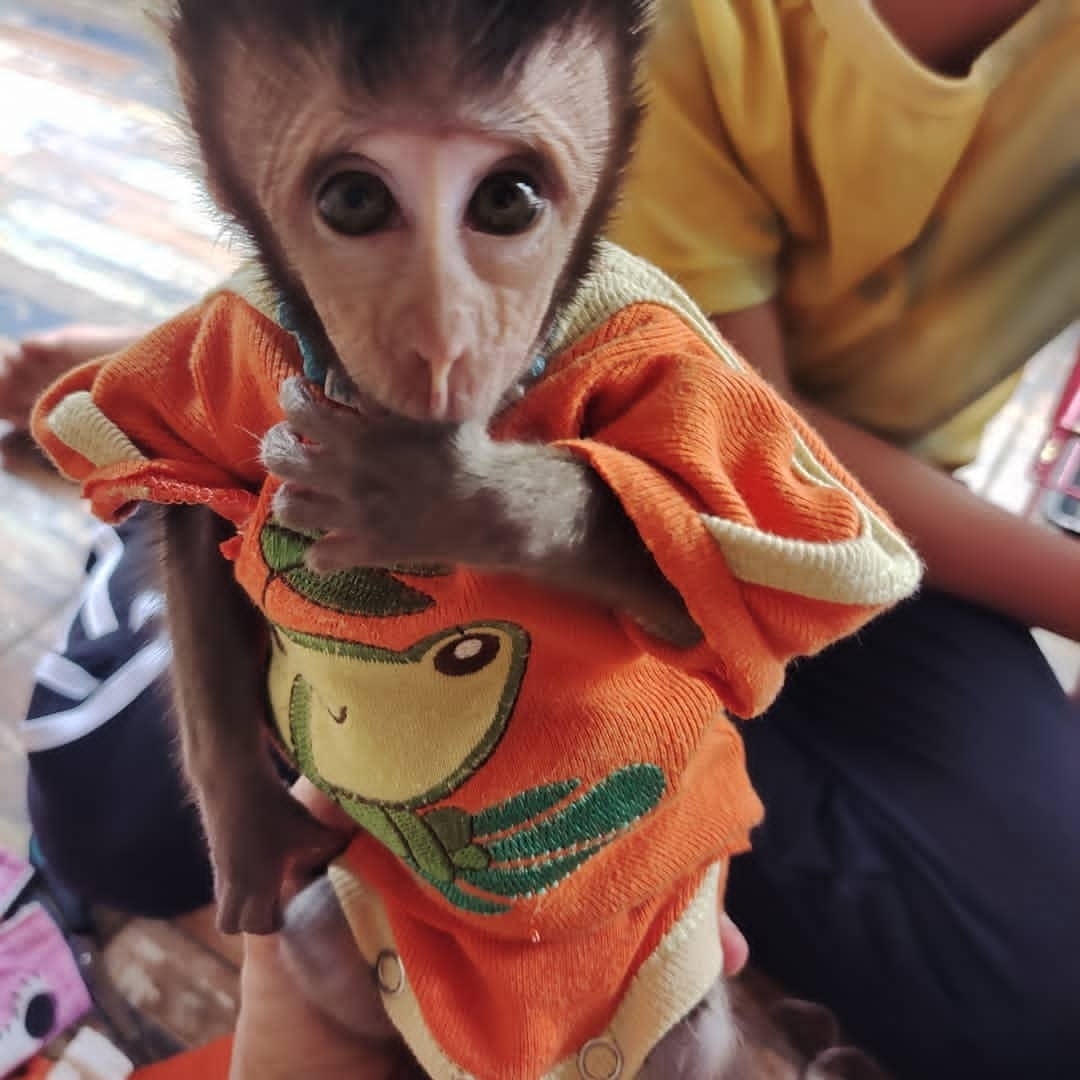
Apes have larger brains relative to body size and outperform monkeys on several cognitive benchmarks, including mirror self-recognition, complex tool manufacture and some forms of understanding what another individual knows. Monkeys are highly capable within their own niches, as set out in monkey intelligence and smartest monkey species, but the gap on these particular tasks is consistent.
Who Is Who
- Apes – chimpanzees, bonobos, gorillas, orangutans, gibbons and siamangs, plus humans.
- Old World monkeys – macaques, baboons, mandrills, guenons, vervets, colobus monkeys, langurs.
- New World monkeys – capuchins, squirrel monkeys, spider and howler monkeys, marmosets, tamarins, owl monkeys.
Lemurs, lorises and tarsiers are primates but neither monkeys nor apes, which is why Madagascar’s famous primates never appear in monkey lists. The family structure is laid out in types of monkeys.
Life History Differences
Apes mature later, breed more slowly and live longer than monkeys of comparable size, which makes their populations far slower to recover from losses. Monkey life-history numbers are collected in monkey lifespan and monkey reproduction.
Why the Distinction Matters Practically
Legally and ethically the two groups are treated very differently. Great apes are protected under strict international and national rules, and private ownership is prohibited across most of the world; they are wholly unsuitable for private keeping under any circumstances. Even among monkeys, only a few small species are legally kept in some jurisdictions, and the rules change by state and country. Always begin with is it legal to own a monkey, and read our beginner guide to monkey care for what responsible keeping actually involves.
Frequently Asked Questions
Is a chimpanzee a monkey?
No. Chimpanzees are apes. They have no tail, broader chests and larger brains, and their lineage separated from monkeys 25 to 30 million years ago.
Do all monkeys have tails?
Nearly all do, though some macaques have only a stub. Tail presence is a good rule of thumb but not an absolute test.
Are apes smarter than monkeys?
On several benchmarks, including mirror self-recognition and complex tool manufacture, apes outperform monkeys consistently. Monkeys remain highly capable within their own specialisms.
Can apes be kept as pets?
No. Great apes are strictly protected and private ownership is prohibited across most of the world, and they are entirely unsuitable for private keeping in any case.
Continue with Old World versus New World monkeys, monkey evolution and monkey myths and misconceptions.
Further reading
Explore More
Quick Ways to Spot Monkeys vs Apes in the Field
The fastest check for monkeys vs apes is the tail: nearly all monkeys have one, while apes do not. The ape article outlines the other anatomical differences in more depth.

Pingback: Types of Monkeys: A Complete Guide to Every Major Group - Universal Primates
Pingback: Ultimate Guide to Monkeys: Species, Behaviour, Diet, Habitat and Conservation - Universal Primates
Pingback: Top Monkey Questions Answered - Universal Primates
Pingback: 6 Smartest Monkey Species and Their Best Skills - Universal Primates
Pingback: 6 Monkey Intelligence Facts Backed by Research - Universal Primates