Monkey Facts & Species, Primates Care And Tips
Baby Monkeys: Birth, Development and the First Year
Aug
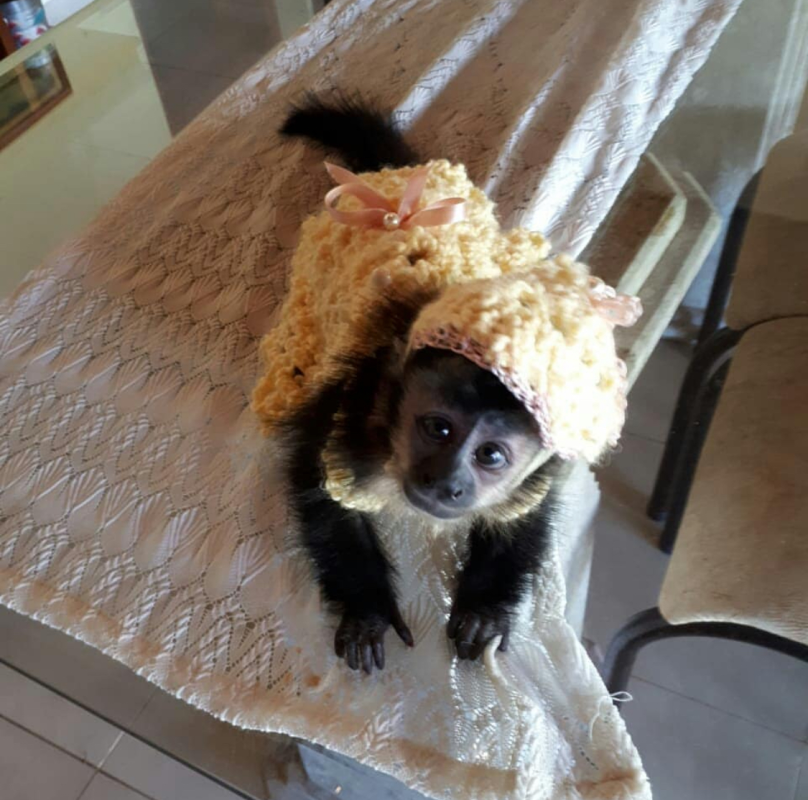
Baby monkeys are born with surprising motor skills already in place, clinging to their mothers within hours of birth.
Primate infancy is long, expensive and social. A baby monkey is born relatively helpless, carried almost constantly, and depends on its mother for months or years. That slow development is precisely what allows monkeys to learn as much as they do.
Birth and the First Weeks
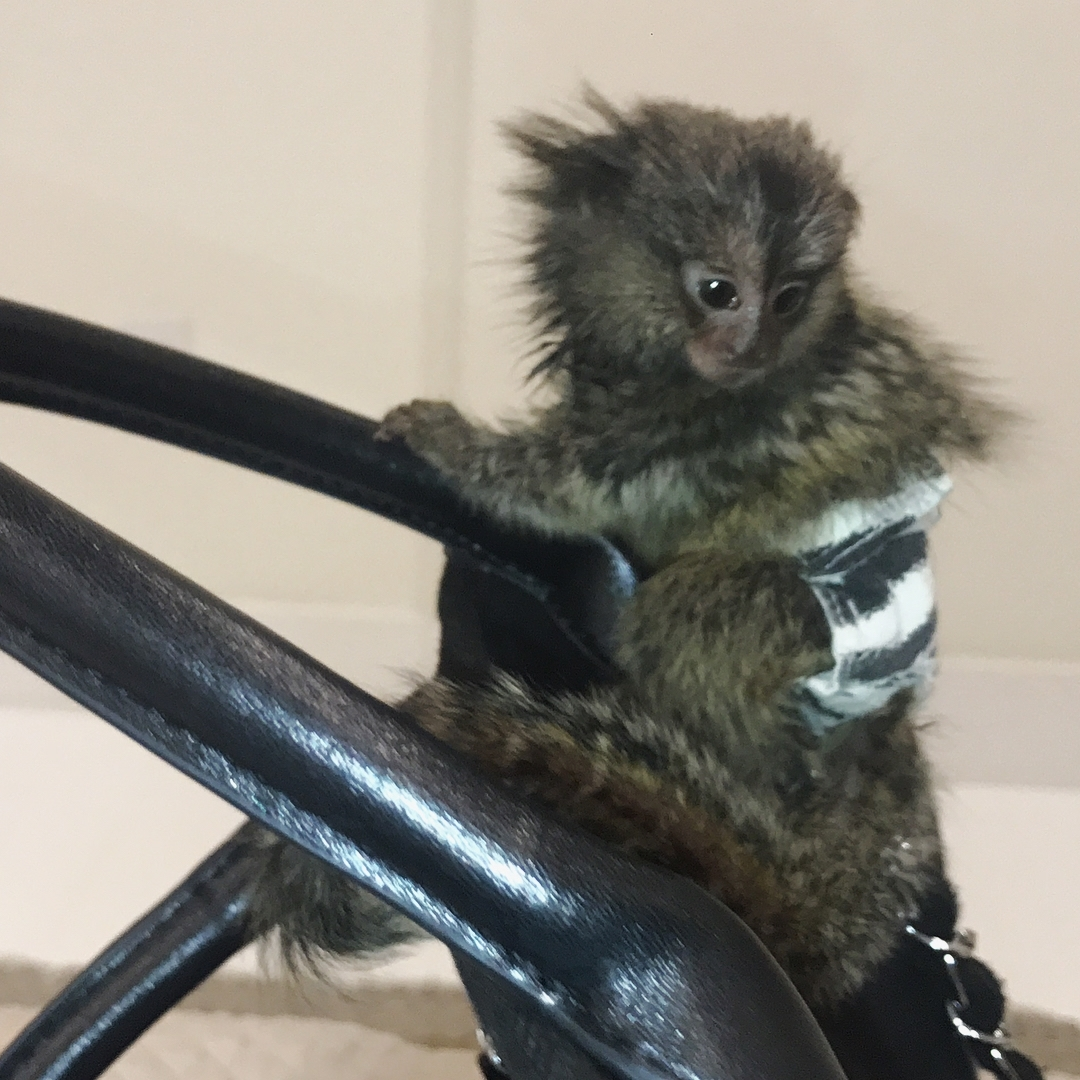
Most monkeys give birth to a single infant after a gestation of four to seven months depending on species. Marmosets and tamarins are the notable exception, routinely producing twins. Newborns cling to the mother’s fur from the first day, and in many species other group members show intense interest, attempting to touch or hold the infant within hours.
Who Does the Carrying?
In macaques, baboons and most New World species the mother carries the infant, first on the chest and later on the back. In marmosets and tamarins the load is shared: fathers and older siblings do much of the carrying, which is what makes twins viable. Cooperative rearing of this kind is discussed further in monkey reproduction.
Milestones
- Weeks 1 to 4 – continuous contact, nursing on demand, eyes and grip strengthening quickly.
- Months 2 to 4 – short excursions off the mother, first tasting of solid food, beginnings of play.
- Months 4 to 12 – weaning, rough-and-tumble play with peers, learning what is edible and who ranks where.
- Year 2 onward – juvenile independence, with social skill still developing until sexual maturity.
Why Play Matters
Juvenile play is not idle. It calibrates strength, teaches the boundaries of acceptable force, builds alliances that last into adulthood and rehearses escape from predators. Monkeys deprived of playmates grow into adults that misread signals and escalate conflicts, a pattern seen throughout monkey social life.
Infant Mortality in the Wild
First-year mortality is high. Predation, falls, disease, food shortage and, in some species, infanticide by incoming males all take a toll. Mothers with high rank and experienced mothers generally raise more surviving infants, which is one reason rank matters so much. See monkey predators for the threats involved.
Hand-Rearing Is Not a Shortcut
Baby monkeys are appealing, and that appeal drives a great deal of harm. A hand-reared infant separated from its mother misses the social education that makes an adult monkey manageable, and often becomes fearful or aggressive at maturity. Bottle feeding also carries real risks of aspiration pneumonia, hypothermia and nutritional deficiency. If you are caring for a young primate, follow our detailed guidance in how to care for a baby monkey, watch for the warning signs in common monkey illnesses, and confirm your legal position in is it legal to own a monkey.
Frequently Asked Questions
How long do baby monkeys stay with their mothers?
Constant carrying lasts weeks to months, weaning takes several months to over a year, and full social independence often takes two years or more.
Do monkeys have twins?
Rarely, except in marmosets and tamarins, where twins are the norm and fathers and older siblings share the carrying.
Why is hand-rearing a monkey risky?
A hand-reared infant misses the social education a troop provides and frequently becomes fearful or aggressive at maturity, on top of real risks of aspiration pneumonia and nutritional deficiency.
How much does an infant monkey need to be held?
In the wild, essentially continuously for the first weeks. That level of contact is impossible for a household to sustain, which is why mother-reared animals do far better.
Continue with monkey lifespan, how monkeys communicate and the family overview in types of monkeys.
Further reading
Explore More
Milestones in a Baby Monkeys First Year
Baby monkeys grow quickly compared with human infants, often walking, climbing, and sampling solid food well before their first birthday. General weaning research explains why this timeline varies so much between species.