
Feeding & Nutrition, Primates Care And Tips
Feeding Guide for Different Monkey Species
Jul
This feeding guide breaks down how nutritional needs shift across monkey species, helping owners avoid the most common and costly diet mistakes.
There is no one-size-fits-all diet for monkeys. Nutritional needs vary dramatically between species, and feeding the wrong foods is one of the most common causes of health problems in captive primates. This guide covers the fundamentals and highlights how needs differ across species.
The Foundation of a Healthy Diet
Most pet monkeys do well on a base of species-formulated primate biscuits supplemented with fresh vegetables, a modest amount of fruit, and appropriate protein. Leafy greens, squash, and root vegetables are staples, while fruit should be limited because of its high sugar content.
Gum-Feeding Specialists
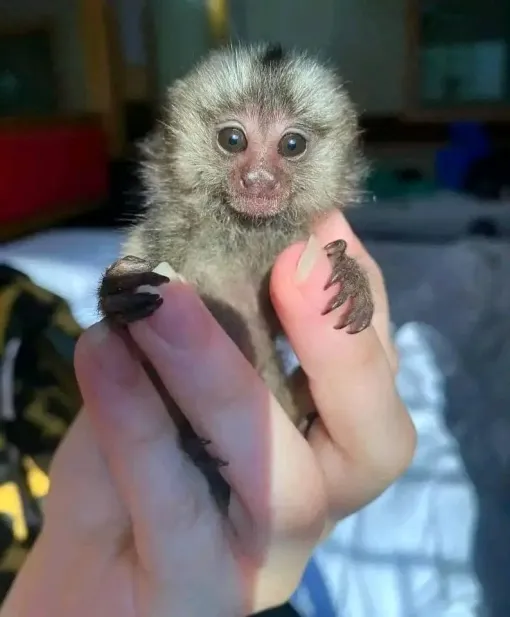
Some of the smallest primates have highly specialized diets. Marmoset Monkeys are natural gum-feeders and require tree gum or a gum substitute along with insects and vegetables to stay healthy. Similarly, Tamarin Monkeys need a protein-rich mix of insects, small amounts of fruit, and specialized foods that reflect their fast metabolism.
Nocturnal Feeders
Feeding schedules should match a species’ natural rhythm. Owl Monkeys are the only nocturnal monkeys commonly kept as companions, so their main meals are best offered in the evening when they are naturally active and foraging.
Portion Control and Variety
Offer variety within safe limits, and avoid overfeeding fruit, seeds, or treats. Rotate vegetables to provide a broad range of nutrients, and always provide clean, fresh water.
Supplements
Depending on the species and diet, your vet may recommend vitamin D3, calcium, or other supplements—especially for animals with limited sunlight exposure.
Work With an Exotics Vet
Always tailor your monkey’s diet with guidance from an experienced exotics veterinarian. When you’re ready to welcome a healthy, well-nourished primate, browse our available animals.
Reading Your Monkey’s Body Condition
A healthy monkey has a lean, muscular build with no visible fat rolls and a glossy coat. Weigh your monkey regularly and adjust portions if you notice weight gain or loss. Sudden changes in appetite or condition warrant a prompt vet visit, since diet issues often show up first in energy and coat quality.
Feeding Schedules and Consistency
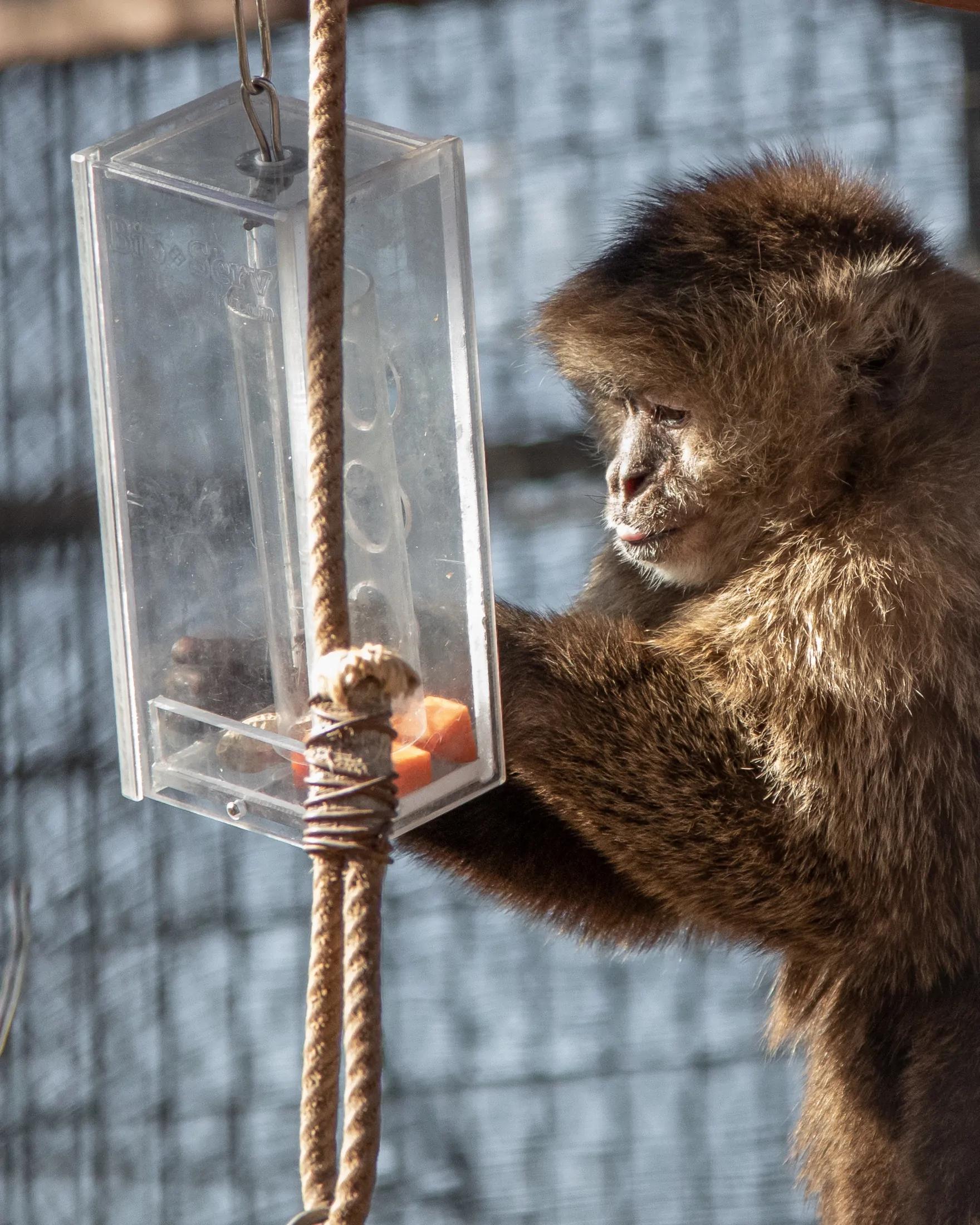
Splitting food into two or more meals a day, plus scattered foraging opportunities, mimics natural feeding patterns and prevents boredom. Keep feeding times consistent, and introduce any new foods gradually to avoid digestive upset.
Frequently Asked Questions
What should make up most of a monkey’s diet? Species-formulated primate biscuits plus a generous share of fresh vegetables form the foundation, with fruit offered sparingly.
How much fruit is too much? Because fruit is high in sugar, it should be a small portion of the diet—think of it as a treat rather than a staple.
Do monkeys need supplements? Some do, especially for vitamin D3 and calcium. Always follow the guidance of an exotics veterinarian.
Ready to welcome a healthy, hand-raised primate into your home?
Every monkey we place is vet-checked, well-socialized, and comes from licensed, ethical breeders.
Wild Diets Behind These Recommendations
Every feeding rule here traces back to what a species eats in the wild. See types of monkeys, monkey adaptations and smallest monkey species for the biology behind the bowl.
Captive diets work best when they mirror wild feeding. For that baseline, see monkey diet by species.
Further reading
Explore More
Adjusting This Feeding Guide as Your Monkey Ages
No single feeding guide stays perfect forever; portion sizes and nutrient ratios should shift with age, activity level, and health status. Cross-checking choices against general nutrition science helps owners keep menus balanced over the long run.

Pingback: Monkey Species Around the World: A Region-by-Region Guide - Universal Primates
Pingback: Smallest Monkey Species: The Miniature Primates of the Rainforest - Universal Primates
Pingback: Monkey Adaptations: Bodies Built for the Canopy - Universal Primates
Pingback: Monkey Diet by Species: What Each Monkey Really Eats - Universal Primates
Pingback: 10 Foods to Avoid for Monkeys and Why - Universal Primates
Pingback: 7 Differences Between Old World vs New World Monkeys - Universal Primates