
Care Basics, Primates Care And Tips
Seasonal Care Tips for Monkeys
Jul
Seasonal care tips help owners adjust temperature, diet, and enrichment as the weather changes throughout the year.
As the seasons change, so do your monkey’s needs. Temperature swings, shifting daylight, and seasonal hazards all affect a primate’s comfort and health. A little planning throughout the year keeps your monkey safe and thriving in every season.
Winter: Warmth Is Everything
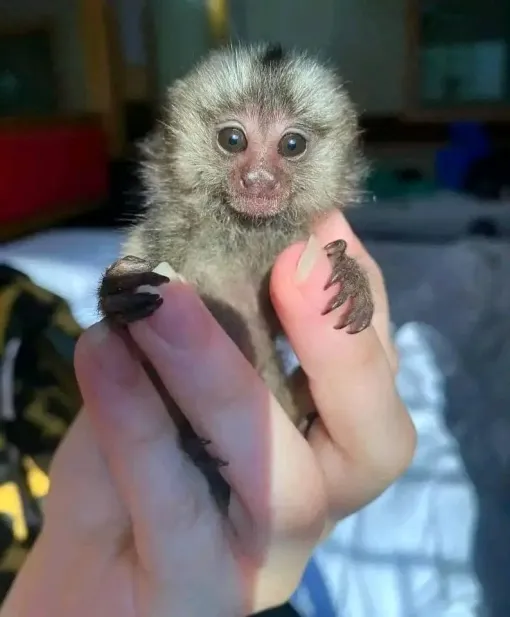
Most pet primates originate from warm climates and are highly sensitive to cold. Provide heated, draft-free shelter, cozy bedding, and supplemental heat sources where needed. Small-bodied species such as Marmoset Monkeys lose heat quickly and need especially reliable warmth during colder months.
Spring: Refresh and Inspect
Spring is the perfect time for a deep clean and a full inspection of the enclosure. Check for winter wear on perches, mesh, and shelters, and refresh enrichment items. Watch for seasonal allergens and new plant growth that could be toxic.
Summer: Beat the Heat
Provide shade, ample fresh water, and cooling options such as frozen treats or misting on hot days. Be mindful of daily rhythms—nocturnal species like Owl Monkeys should be shielded from intense daytime heat and allowed to rest during the hottest hours.
Autumn: Prepare for the Cold
As temperatures drop, service heating systems, add insulation, and stock up on bedding before winter arrives. Gentle, sensitive species such as Pigtail Monkeys appreciate a gradual, well-managed transition into cooler weather.
Year-Round Essentials
Regardless of season, maintain consistent routines, monitor appetite and behavior, keep up with veterinary care, and adjust enrichment to keep life interesting. Seasonal changes are also a great reminder to review your monkey’s diet and hydration.
Care That Lasts a Lifetime
Thoughtful seasonal care is part of the lifelong commitment of primate ownership. When you’re ready to welcome a healthy, well-cared-for companion, explore our available animals.
Adjusting Diet Through the Seasons
Appetite and hydration needs shift with the weather. In hot months, water-rich vegetables and frozen treats help with cooling and hydration, while in colder months some monkeys benefit from slightly higher-calorie meals to help maintain body heat. Always adjust gradually and keep fresh water available at all times.
Seasonal Health Checks
Use each season change as a natural reminder to review your monkey’s health and habitat. Check that heating and cooling systems work before you need them, inspect the enclosure for weather damage, and stay alert to seasonal parasites or allergens. A short seasonal checklist keeps small issues from becoming big ones.
Frequently Asked Questions
What temperature is too cold for a monkey? Most pet primates are sensitive to cold and need warm, draft-free shelter with supplemental heat well before temperatures approach freezing.
How do I keep my monkey cool in summer? Provide shade, plenty of fresh water, frozen treats, and, where appropriate, gentle misting during the hottest part of the day.
Do monkeys need extra care during seasonal transitions? Yes. Gradual changes and close observation during transitions help your monkey adjust comfortably.
Ready to welcome a healthy, hand-raised primate into your home?
Every monkey we place is vet-checked, well-socialized, and comes from licensed, ethical breeders.
Further reading
Explore More
Applying Seasonal Care Tips Year-Round
The best seasonal care tips are built into a yearly calendar, not just remembered during extreme weather. Understanding thermoregulation in primates helps owners recognize early signs of heat or cold stress.


Pingback: Monkey Reproduction: Mating Systems, Gestation and Rearing - Universal Primates
Pingback: Monkey Adaptations: Bodies Built for the Canopy - Universal Primates
Pingback: Monkey Habitat Accessories Worth Buying - Universal Primates
Pingback: Can Monkeys Swim? Species That Take to Water - Universal Primates
Pingback: 9 Daily Care Routine Habits Every Monkey Owner Needs - Universal Primates