
03
Aug
Aug
A guide to the monkeys of Africa: guenons, vervets, baboons, mandrills, colobus monkeys and geladas, and the habitats that shape them.

A guide to the monkeys of Africa: guenons, vervets, baboons, mandrills, colobus monkeys and geladas, and the habitats that shape them.
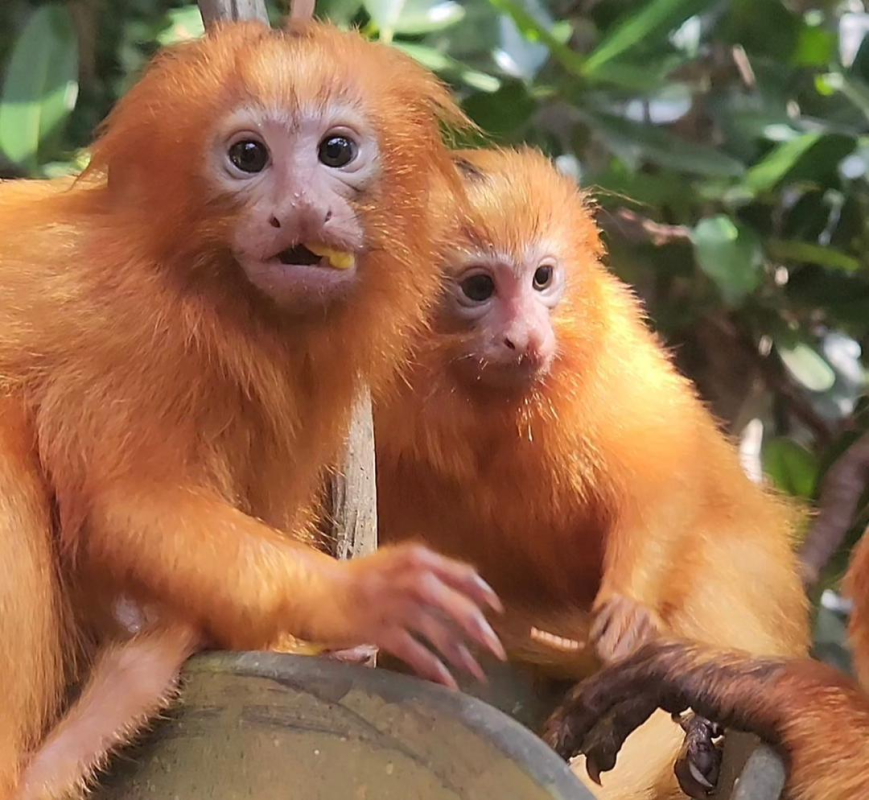
Which monkeys live in rainforest, how the canopy is divided between species, what they eat and why rainforest loss hits primates hardest.

How monkey conservation works in practice: protected areas, corridors, community programmes, law enforcement, sanctuaries and responsible captive breeding.

Which monkey species are most endangered, why habitat loss and hunting are driving declines, and what recovery looks like when it works.

Old World and New World monkeys differ in nostrils, tails, teeth, vision and behaviour. Here is a clear comparison of the two great monkey families.

Monkeys and apes are not the same. Tails, shoulders, brains, movement and behaviour all differ, and chimpanzees, gorillas and gibbons are apes, not monkeys.

Prehensile tails, colour vision, grasping hands, specialised guts and cold-weather coats: the adaptations that let monkeys occupy so many niches.

Eagles, leopards, snakes, cats and crocodiles all hunt monkeys. Here are the main predators by region and the defences monkeys use against them.

How monkeys reproduce: mating systems, oestrus signals, gestation lengths, birth intervals and the cooperative breeding strategies of marmosets and tamarins.
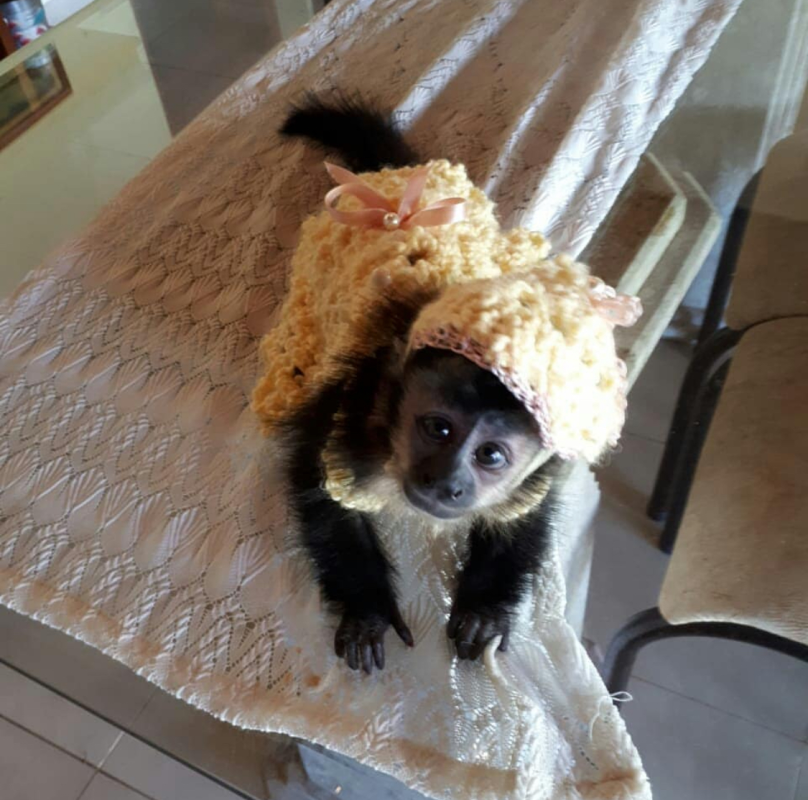
How baby monkeys develop from birth to independence, who carries them, when they wean, and why infancy is the most demanding stage of a primate life.