04
Aug
Aug
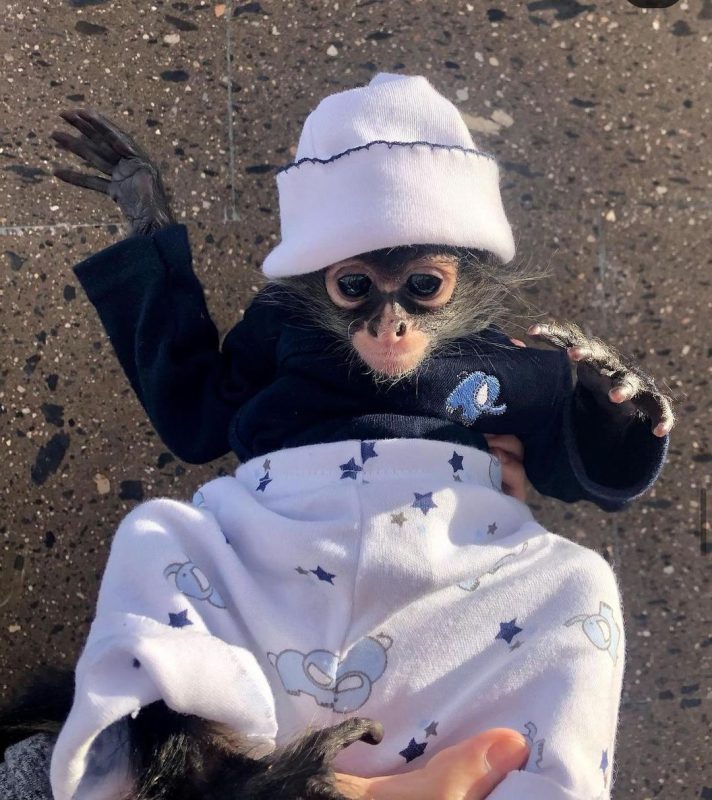
Why monkeys have tails, how prehensile tails evolved in a handful of South American species, and why some monkeys have almost none at all.

Why monkeys have tails, how prehensile tails evolved in a handful of South American species, and why some monkeys have almost none at all.

A species-by-species guide to monkey diets, from leaf-eating colobus and gum-gouging marmosets to grass-grazing geladas and omnivorous baboons.
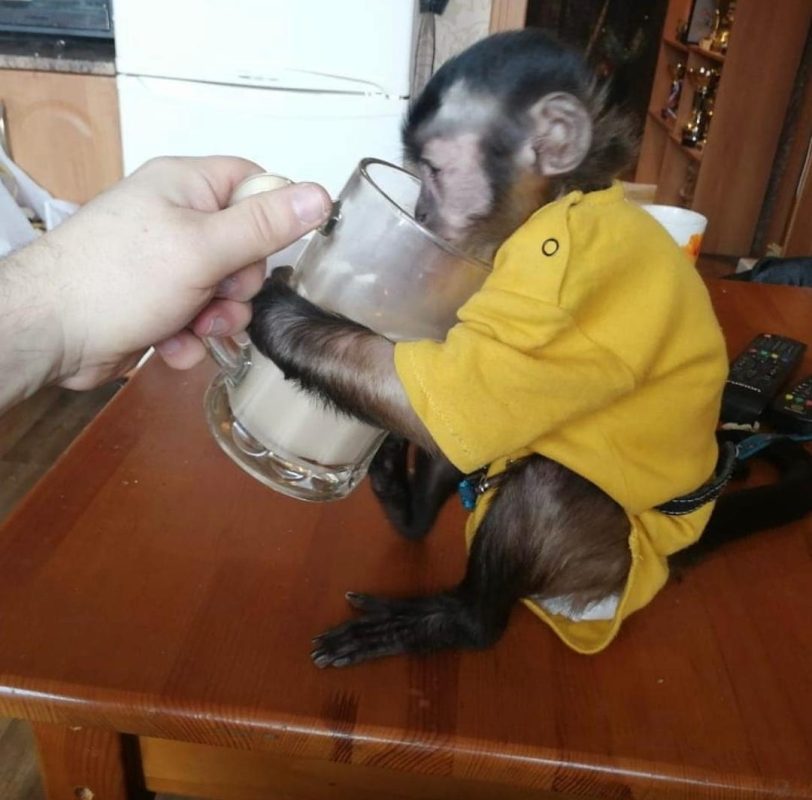
Monkeys communicate with alarm calls, facial expressions, posture, scent marking and grooming. Here is how each channel works and what it signals.

How monkeys evolved: the primate origins, the catarrhine and platyrrhine split, the Atlantic crossing to South America and the radiations that followed.
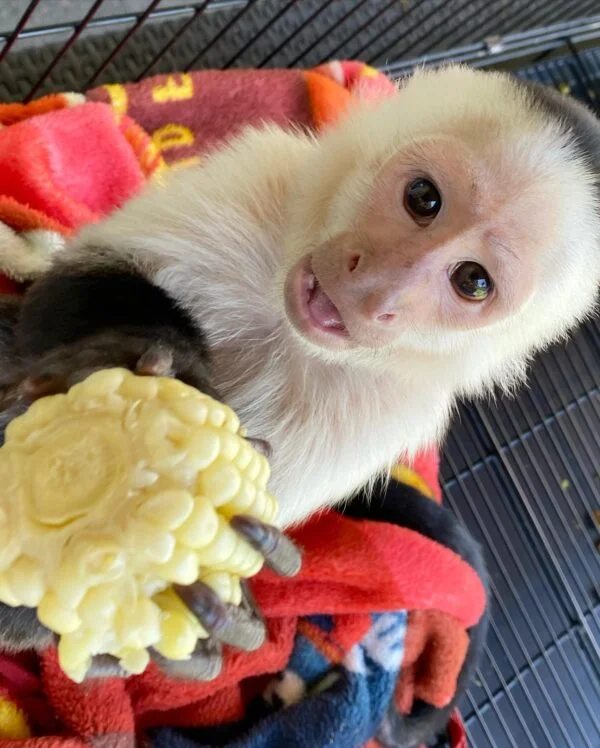
Monkeys are not baby apes, they do not all eat bananas, and they do not make easy pets. Twelve common monkey myths corrected.

The most famous monkey species in the world, from Japanese snow monkeys and Gibraltar’s Barbary macaques to capuchins, mandrills and the golden lion tamarin.
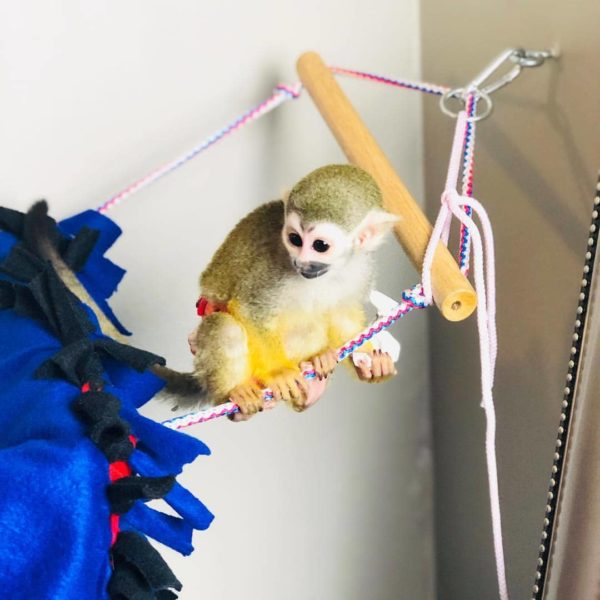
What makes a monkey arboreal, how prehensile tails and grasping hands work, and how canopy species divide the forest between them.
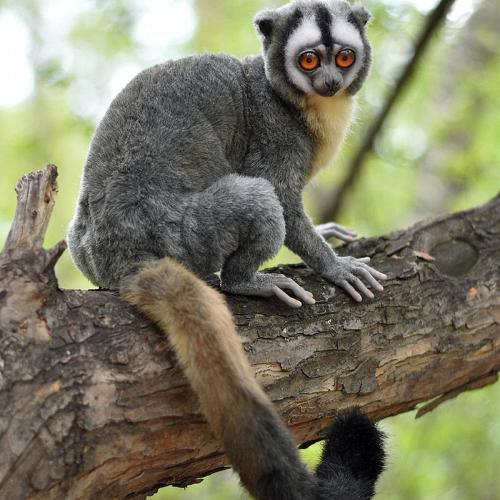
Owl monkeys are the only truly nocturnal monkeys. Here is how night vision, monogamy and quiet living let them exploit a niche no other monkey uses.
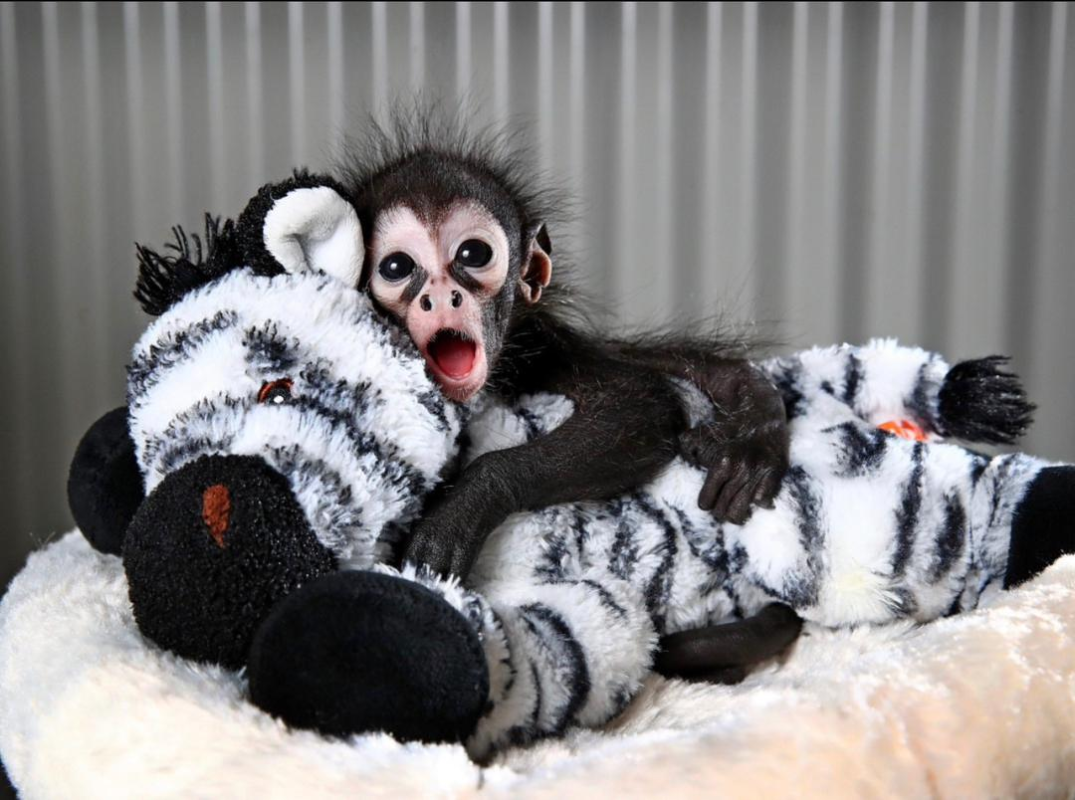
A guide to the monkeys of South America: capuchins, squirrel monkeys, spider and howler monkeys, marmosets, tamarins, titis, sakis and owl monkeys.

A guide to the monkeys of Asia, from temple macaques and Japanese snow monkeys to langurs, surilis, snub-nosed monkeys and the proboscis monkey of Borneo.